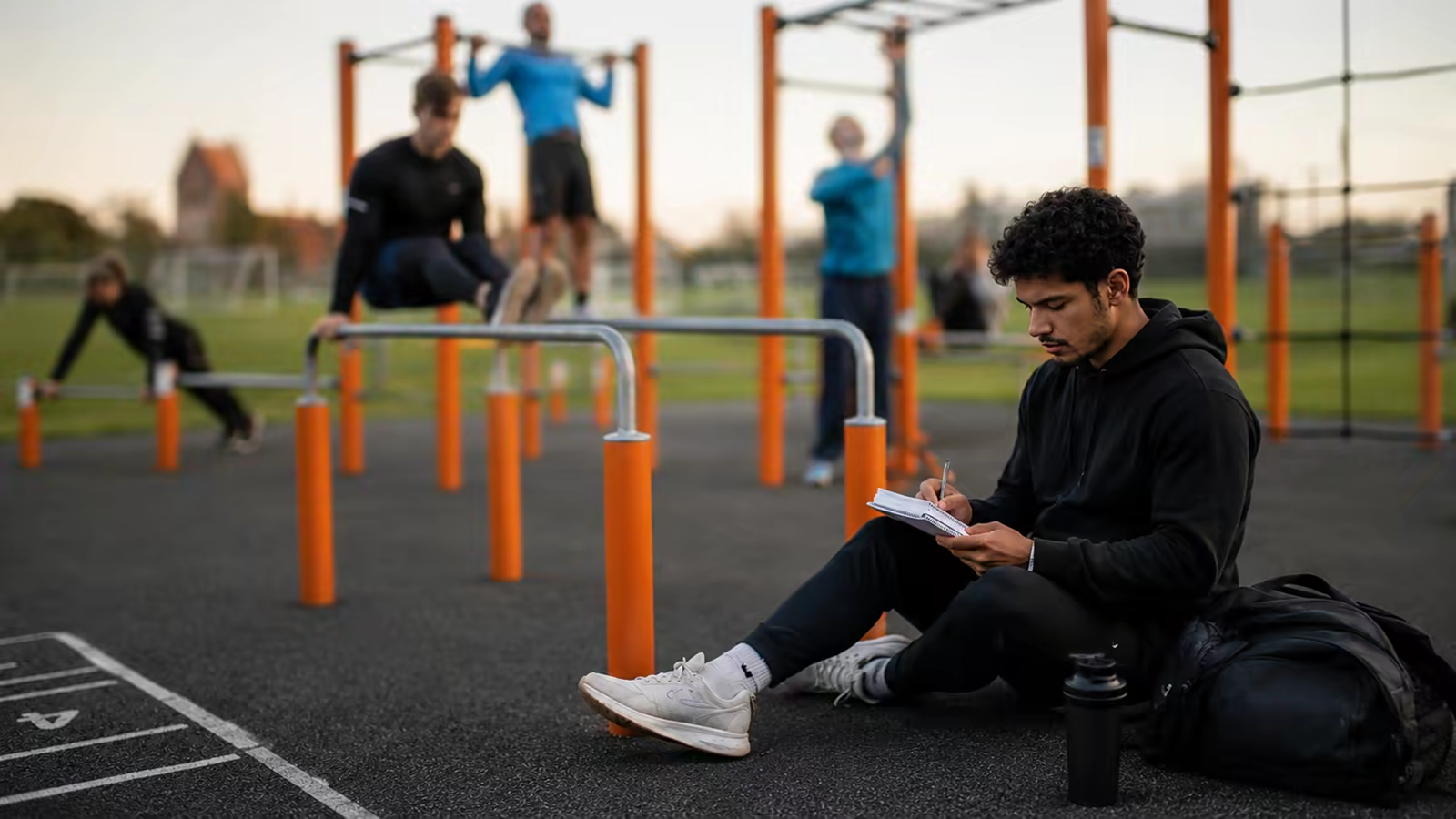
The Most Overlooked Part of Calisthenics Training
The Most Overlooked Part of Calisthenics Training
Ask most people what matters in calisthenics, and you'll hear familiar answers. Strength. Consistency. Discipline. Nutrition. All important. But there is something even more fundamental that often goes unnoticed.
It's not a specific exercise. It's not a secret workout routine. It's not a supplement. It's understanding why you're doing a movement in the first place.
The biggest mistake in calisthenics isn't training too little. It's training without understanding the path.
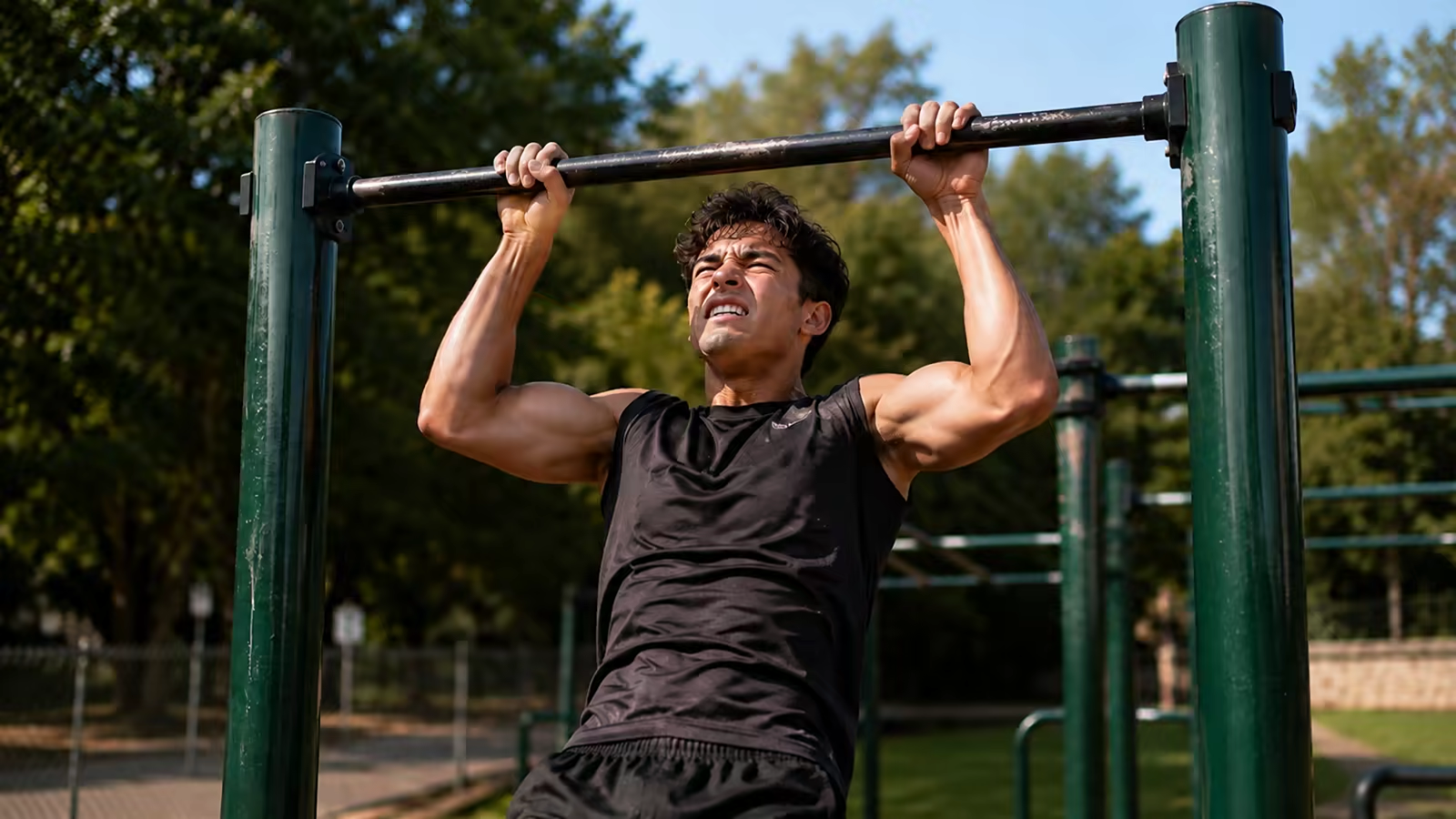
Most Beginners Train Movements, Not Progressions
A common pattern appears when someone discovers calisthenics. They see a muscle-up online and immediately start trying muscle-ups. They watch a handstand tutorial and spend every session kicking themselves upside down. They become fascinated by advanced skills before building the foundation those skills require.
The problem isn't ambition. Ambition is valuable. The problem is skipping the progression that connects today's ability to tomorrow's goal.
Every advanced movement is the result of dozens of smaller adaptations happening beneath the surface. Strength. Coordination. Mobility. Balance. Technique. Ignoring those pieces makes progress slower, not faster.
Advanced skills are usually simple foundations stacked together for a very long time.
The Invisible Skill Nobody Talks About
The most overlooked skill in calisthenics is learning how to learn. Not how to perform a movement. How to break a movement into smaller pieces. How to identify weaknesses. How to choose the next progression instead of randomly repeating the same failed attempt.
Elite athletes do this almost automatically. When something isn't working, they don't simply try harder. They analyze. They adjust. They find the missing prerequisite.

Why So Many People Plateau
Plateaus are often blamed on genetics, motivation, or lack of effort. Sometimes those factors matter. But many plateaus happen because athletes keep practicing a skill they are not yet prepared for.
Imagine trying to build a front lever without sufficient pulling strength. Or learning a handstand without shoulder stability. Or chasing a muscle-up without explosive pull-ups. The issue isn't effort. The issue is sequence.
The right exercise at the wrong time can be just as ineffective as the wrong exercise.
Progression Creates Clarity
When athletes understand progression, training changes completely. Instead of wondering what to do every session, they know exactly where they stand. They know what skill they're building. They know what prerequisite they're missing. They know what success looks like this week.
This clarity removes a huge amount of frustration. Training becomes a journey rather than a guessing game.
How CaliStack Approaches Learning
One reason many beginners struggle is that traditional workout plans focus on exercises rather than learning pathways. CaliStack takes a different approach. Skills are connected through progression trees that show how one movement unlocks another. Instead of asking, "What workout should I do today?" athletes can answer a more important question: "What should I learn next?"
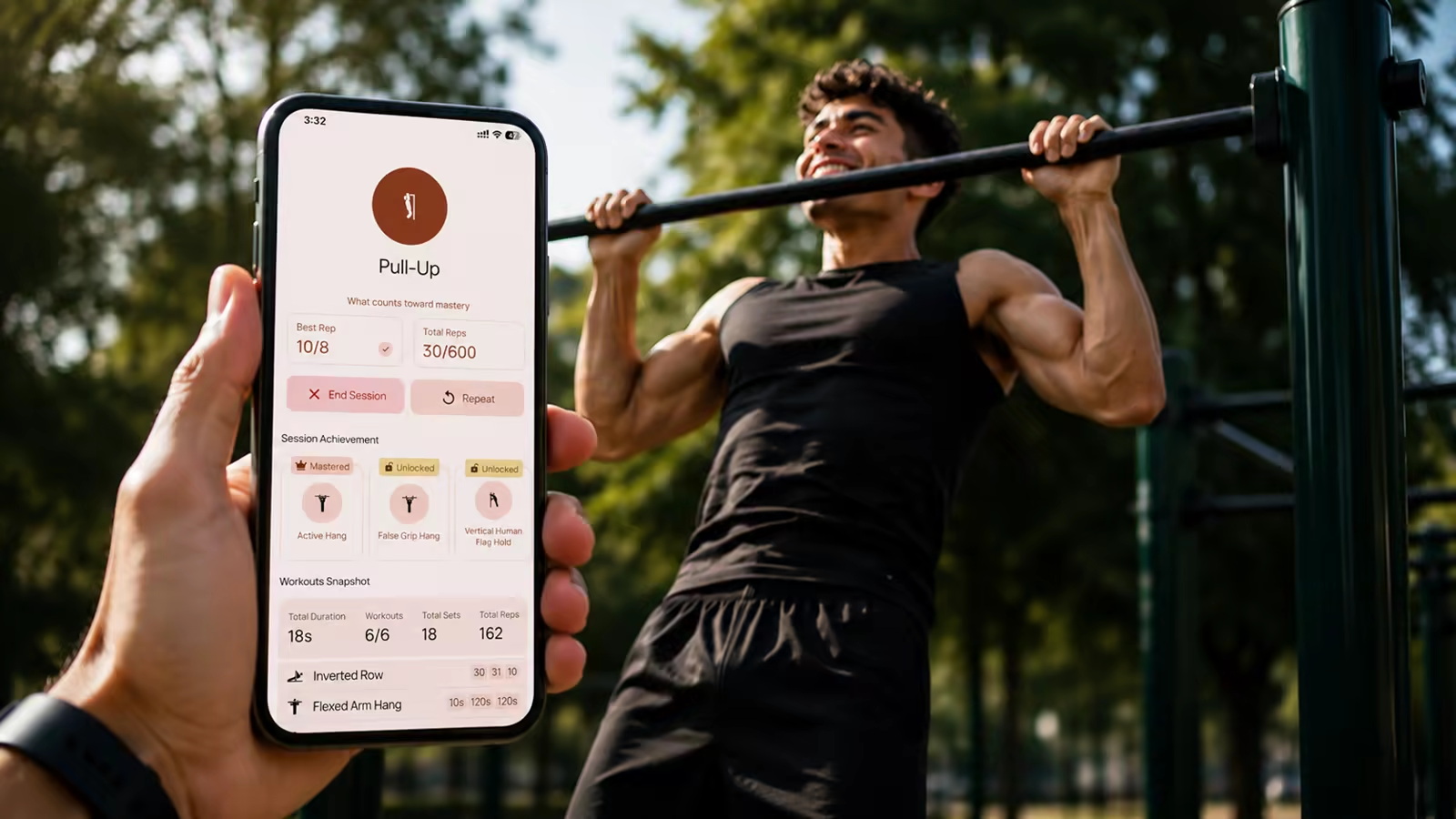
The Difference Between Training and Mastery
Anyone can complete a workout. Mastery requires understanding. The athletes who progress the furthest are rarely the ones chasing the hardest exercises every day. They're the ones patiently building foundations that support those exercises.
They respect the process. They trust progression. They focus on the next step instead of the final destination.
The most overlooked part of calisthenics isn't strength. It's knowing which strength to build next.
Train smarter. Progress faster.

