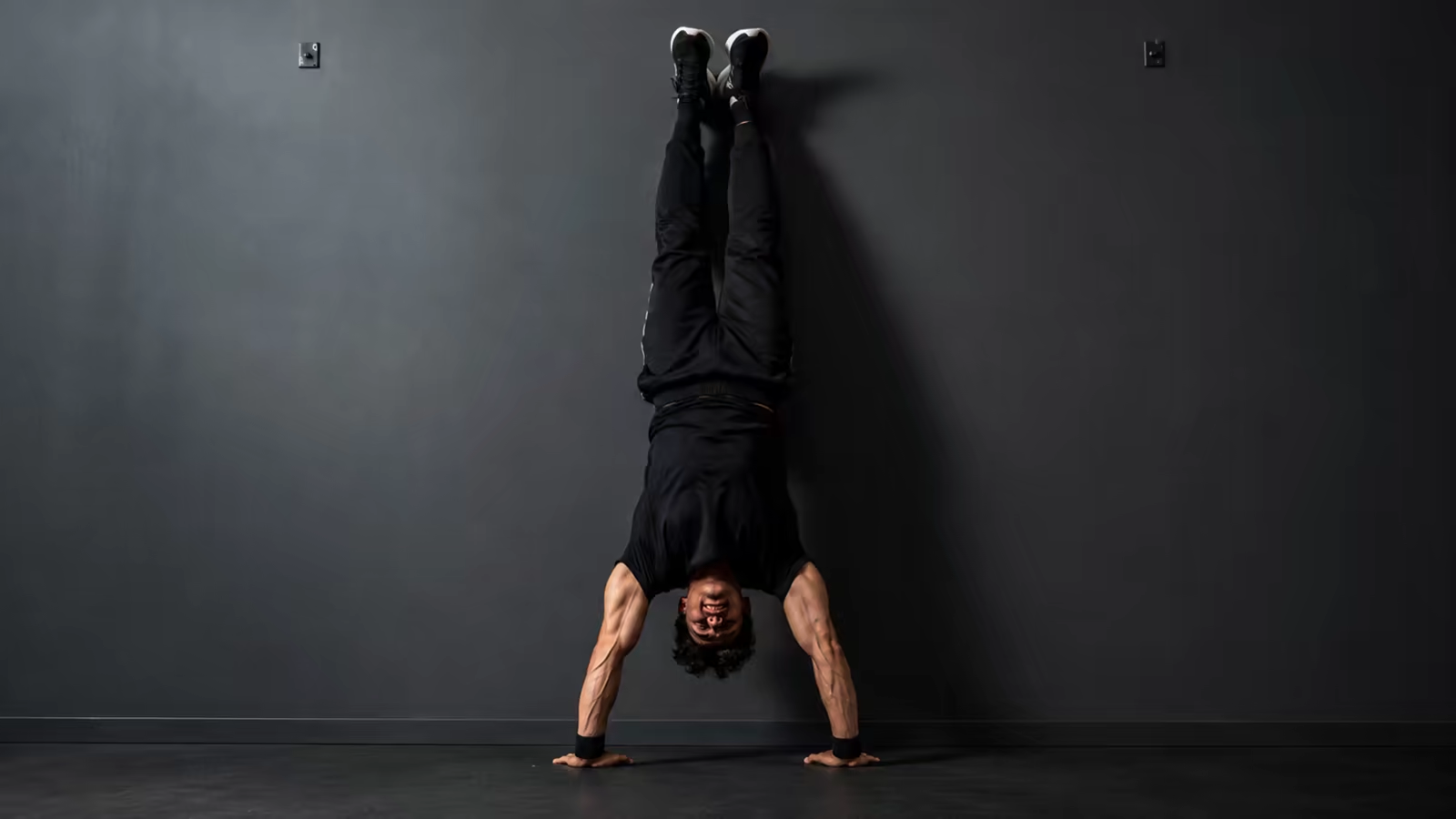
Why Most People Fail to Learn Handstands
The Biggest Lie About Handstands
Most people think handstands are about balance.
That’s the first mistake.
Balance matters, but balance is not the foundation. The real foundation is body awareness, shoulder strength, positioning, coordination, patience, and progression.
A handstand is not a trick. It’s a language your body learns slowly.
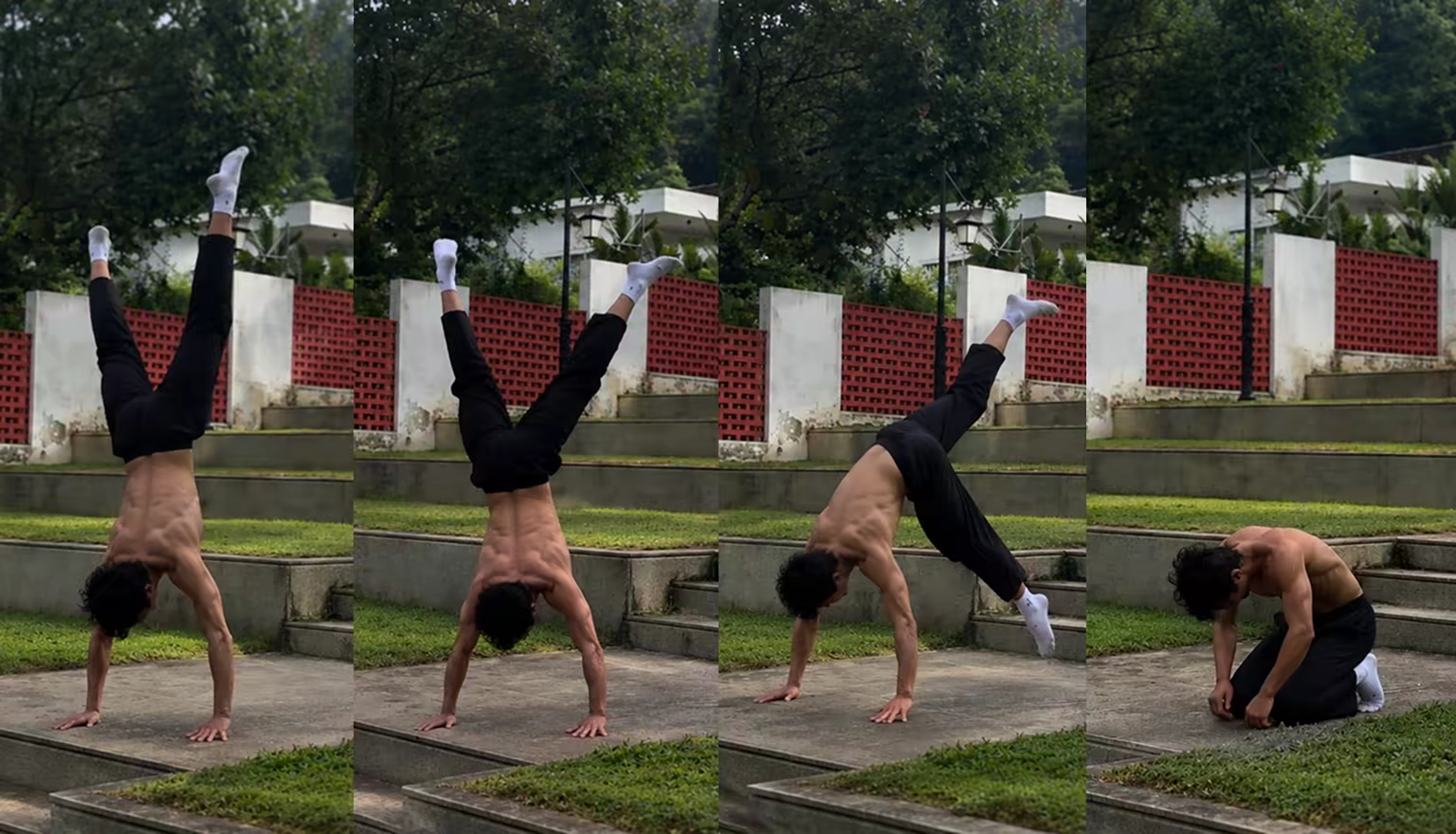
You see someone hold a perfect handstand on Instagram for ten seconds and your brain says: I just need more practice.
So you kick up randomly every day.
You fall.
You try harder.
You still fall.
Weeks pass. Sometimes months.
Then eventually you convince yourself that handstands are only for naturally gifted people.
Random effort creates random results.
Most Beginners Skip The Invisible Skills
The internet made calisthenics look deceptively simple.
People only post the final skill.
Nobody posts the months spent learning wrist conditioning, scapular elevation, hollow body positioning, shoulder mobility, wall drills, alignment corrections, or controlled exits.
Beginners end up copying the final chapter without reading the first ten.
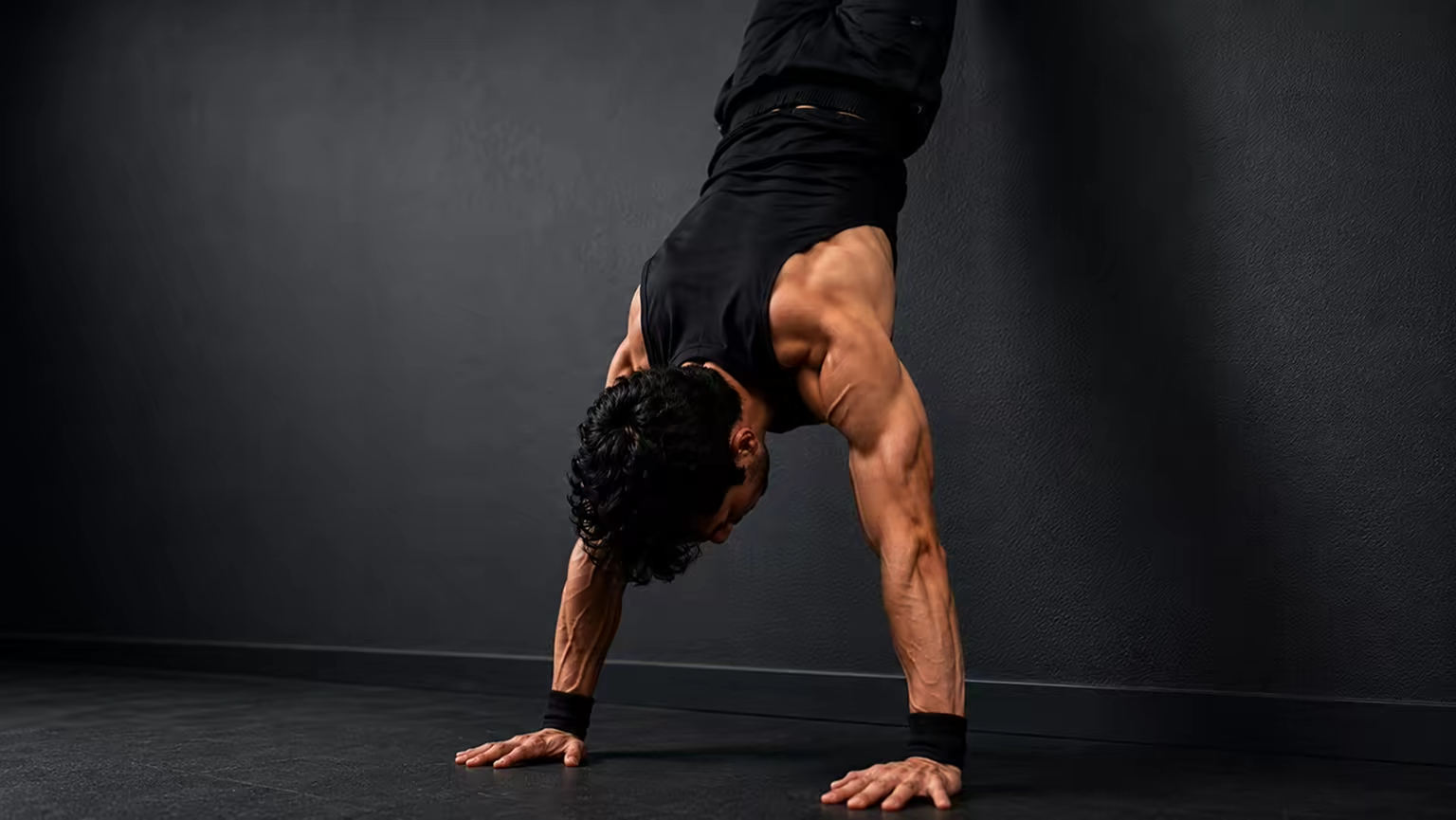
This is exactly why progression systems matter.
A proper handstand journey is not just practice handstands.
It’s understanding what your body is currently missing.
Every advanced skill is built on invisible fundamentals.
Fear Is Quietly Controlling Your Training
A lot of people say they lack balance.
In reality, they lack confidence upside down.
Fear changes movement.
It makes you arch your back, bend your arms, panic kick, and overcorrect every small shift.
Your body cannot learn efficient balance while your brain is trying to survive.
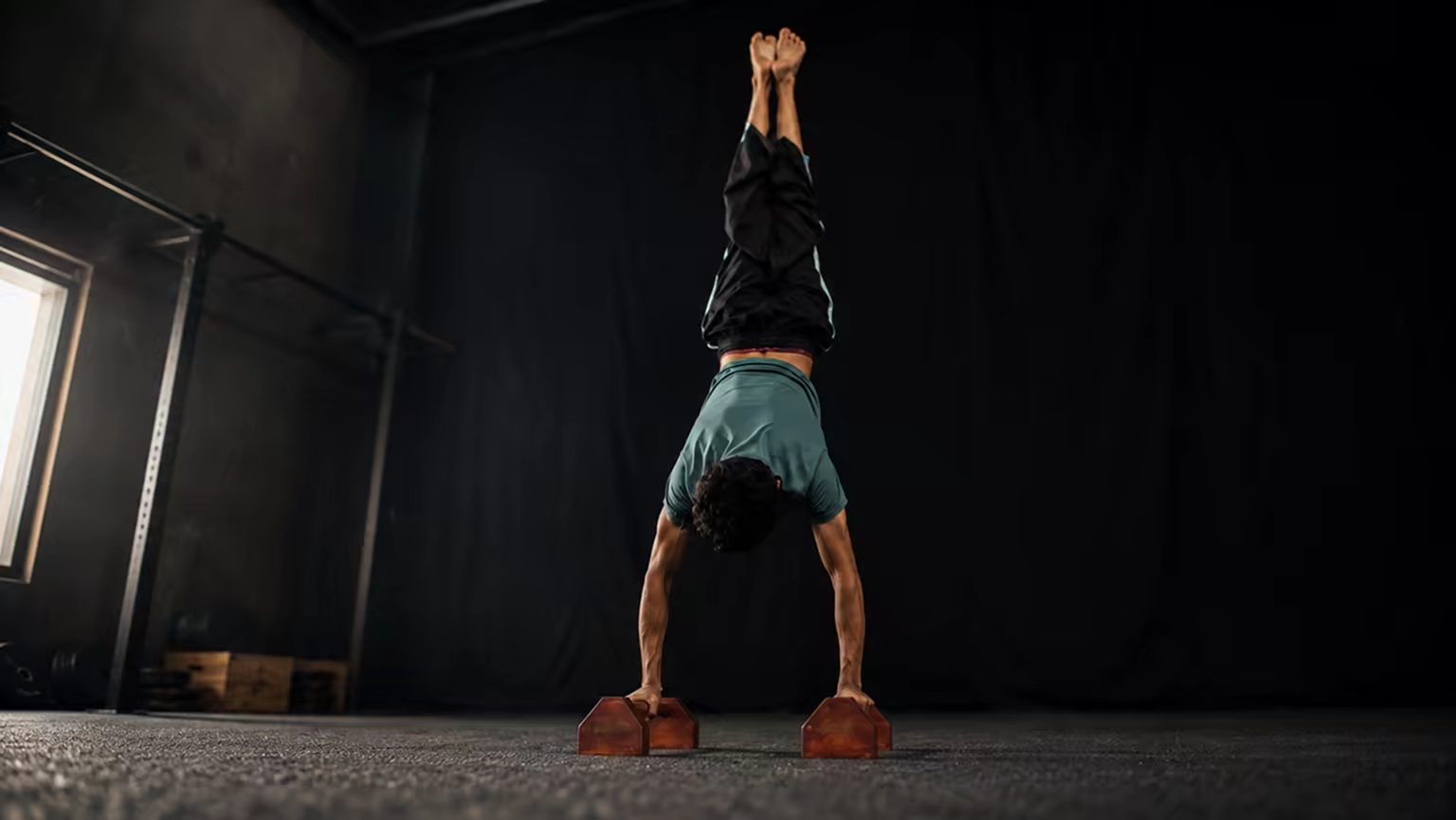
One of the most overlooked parts of handstand training is learning how to exit safely.
Cartwheel exits. Controlled step-downs. Wall safety drills.
Once fear decreases, progress speeds up dramatically.
Confidence is a progression too.
Consistency Beats Intensity
Handstands punish impatience.
You cannot brute force body control.
Many beginners train too aggressively for one week and disappear for the next two.
Then they restart from zero emotionally every single time.
The athletes who eventually master handstands usually look less dramatic.
They train consistently.
Fifteen focused minutes. Repeated for months.
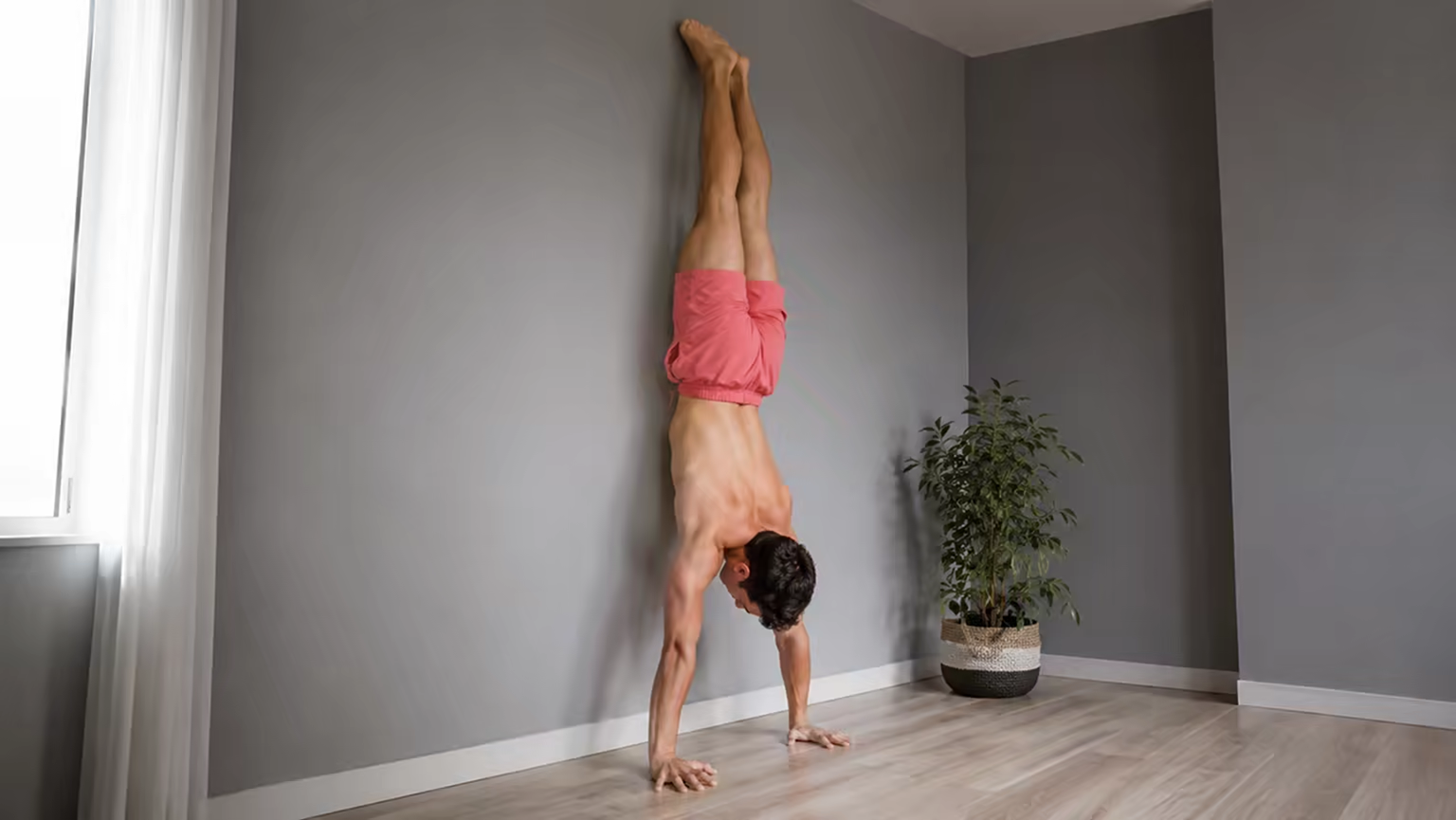
Your nervous system learns through repetition, not motivation.
The Real Problem: People Train Without A Roadmap
This is where most people get lost.
They don’t know what to practice next.
Should they focus on wall holds? Kick-ups? Shoulder taps? Core compression? Wrist prep?
Without structure, training becomes guessing.
And guessing kills consistency.
That’s one of the core ideas behind CaliStack.
Calisthenics works better when skills are treated like connected progressions instead of isolated tricks.
A handstand unlocks other movements. Shoulder control improves pressing strength. Body awareness improves balance work. Everything connects.
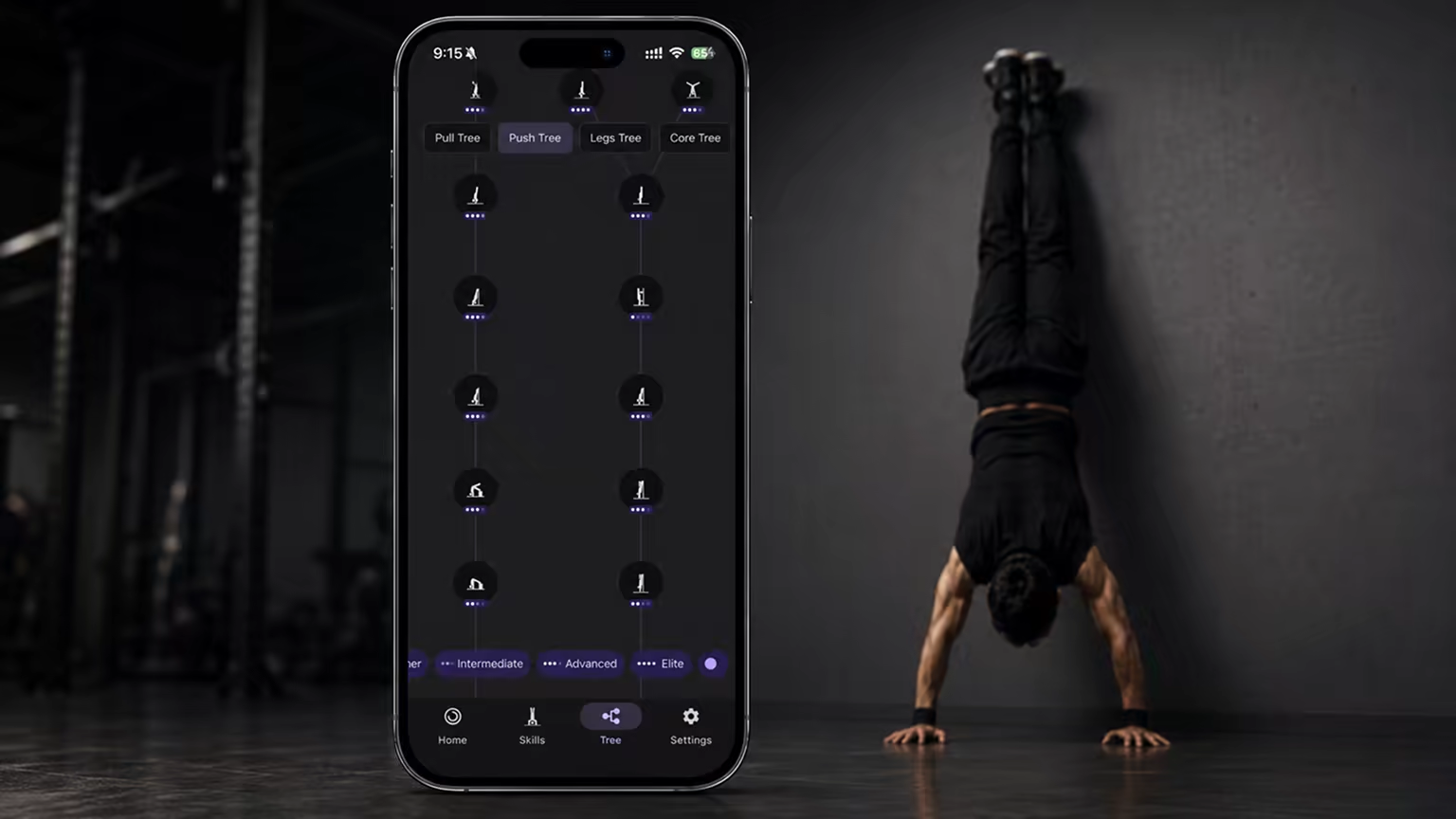
People rarely quit because training is hard. They quit because they feel lost.
Handstands Are Really About Learning Yourself
At some point, handstand training stops being about the handstand.
It becomes about patience.
Awareness.
Control.
You start noticing small details.
How your fingers press the floor.
How your ribs shift.
How breathing changes balance.
Those tiny adjustments slowly become mastery.
The body changes when the mind starts paying attention.
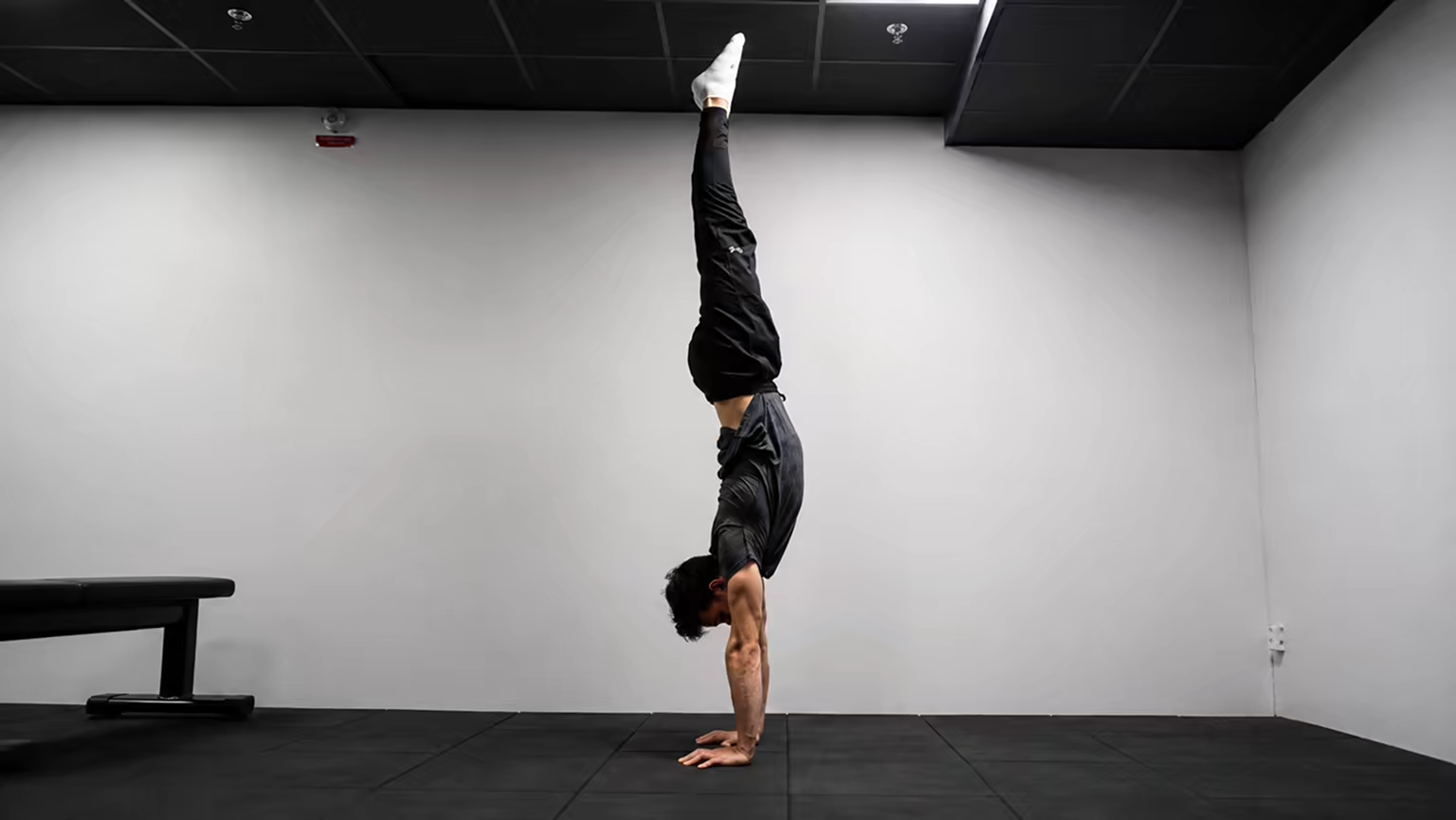
Nobody starts with control.
Nobody starts balanced.
Nobody starts confident.
The difference is usually not talent.
It’s progression.
Train smarter. Progress faster.

