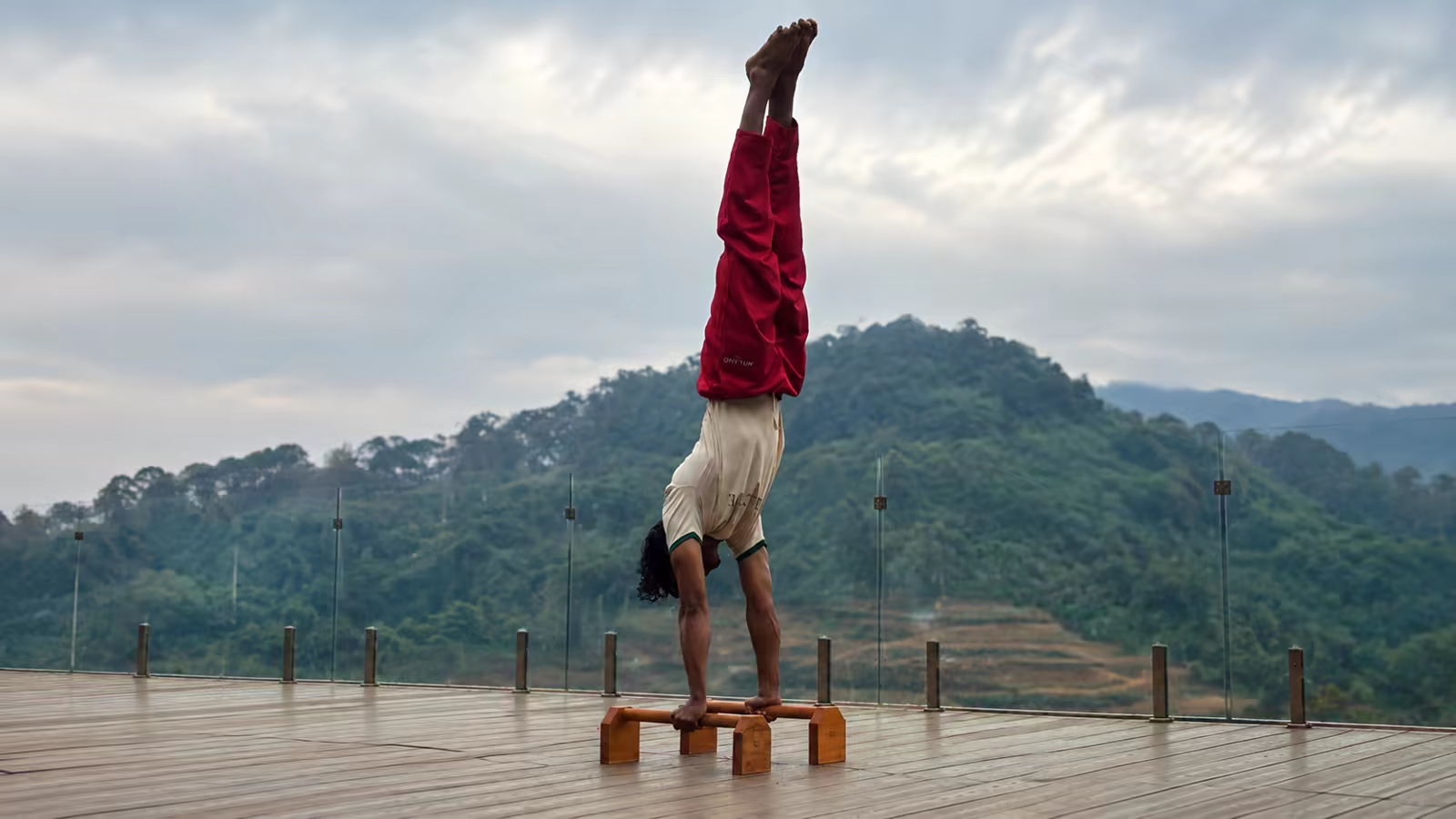
Why Strength Alone Won't Give You a Handstand
The Myth of the Strong Handstand
You've been doing push-ups. Lots of them. Pike presses. Shoulder press variations. You're stronger than you were six months ago — your friends have noticed, your shirts fit differently. And yet, every time you kick up against the wall, you crumble. Your body just... folds.
So you do more push-ups. More pressing. More strength work. And the handstand still doesn't come.
A handstand isn't a strength test. It's a conversation between your brain and your body — and most people are speaking the wrong language.
Here's the uncomfortable truth: strength is one ingredient in a handstand, not the whole recipe. And for most beginners, it's not even the limiting factor. What's missing is something far less obvious — and far more interesting.
What a Handstand Actually Requires
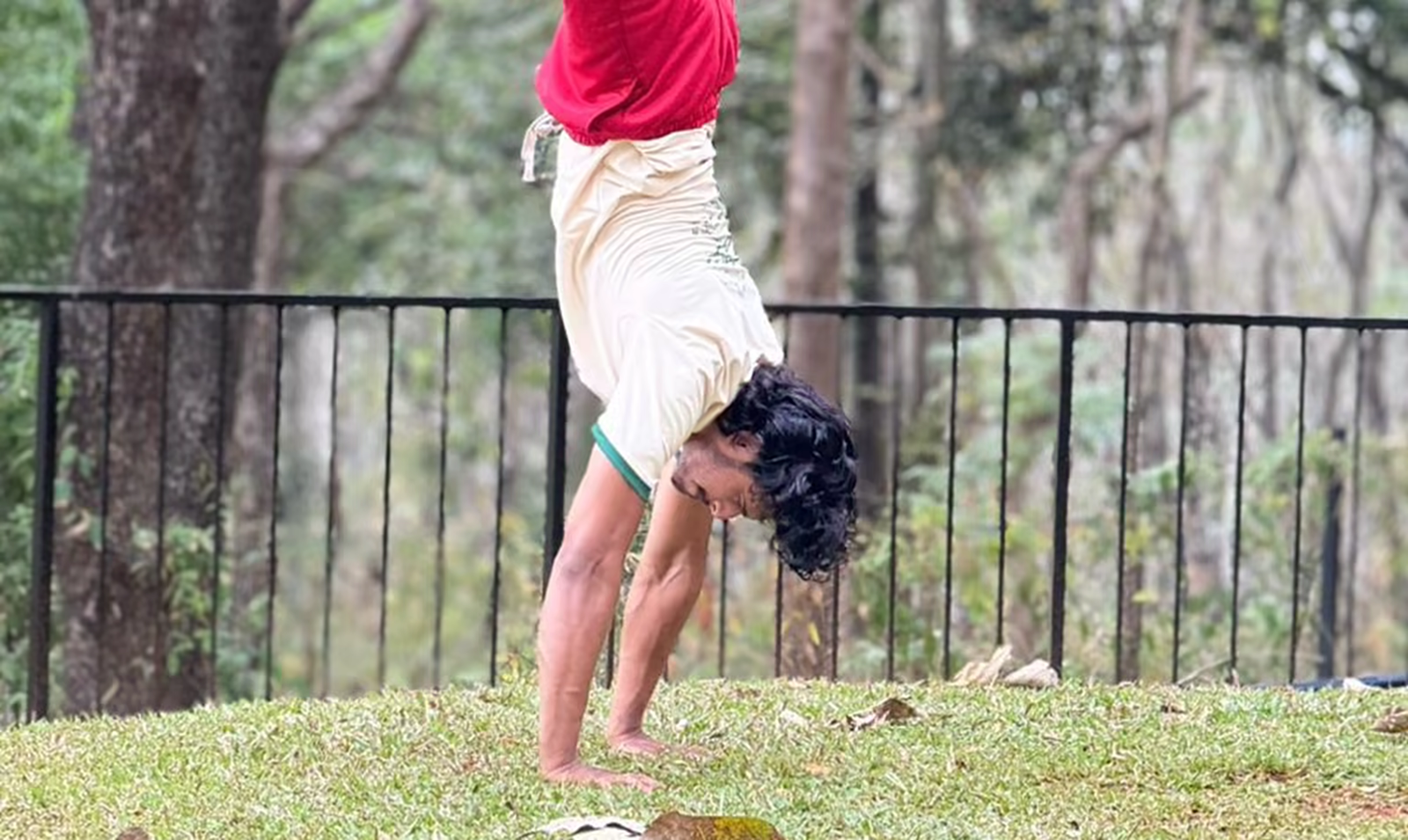
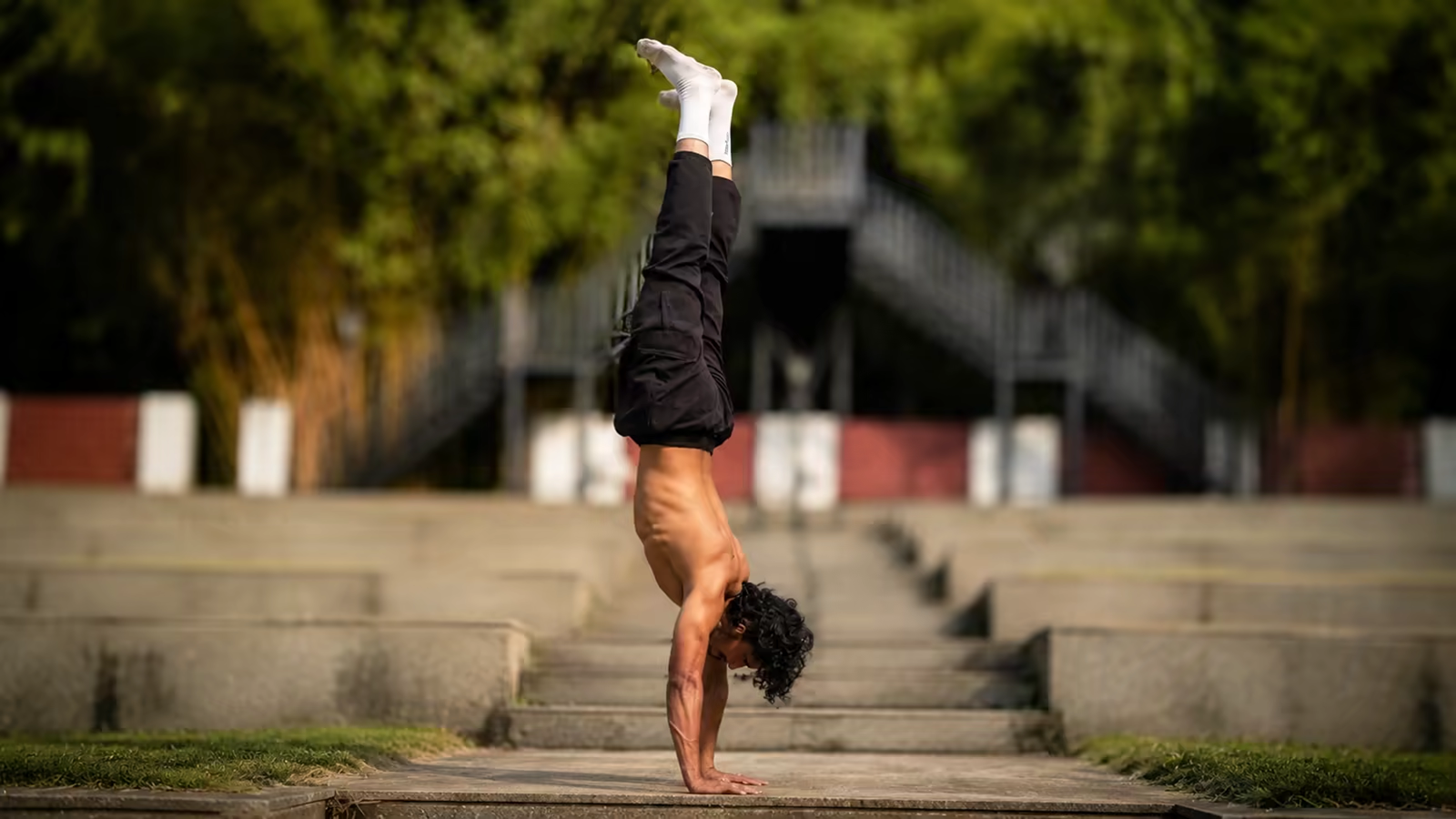
A handstand is, at its core, a balance skill. You're stacking your entire body — ankles, knees, hips, spine, shoulders — over two small contact points on the ground. The margin for error is razor thin. A few millimeters of drift in your hips and you're falling.
Strength helps you get into position and stay compressed. But balance is what keeps you there. And balance lives in your nervous system, not your muscles. It's a skill acquired through repetition, proprioceptive feedback, and thousands of micro-corrections your body learns to make automatically over time.
Muscles can be built in weeks. Balance is trained in hours — accumulated, brick by brick, fall by fall.
This is why gymnasts don't train handstands by doing more overhead pressing. They train handstands by doing handstands — against walls, off walls, in parallel bars, with spotters, with fingertip adjustments. The skill is the training.
The Body Awareness Problem Nobody Talks About
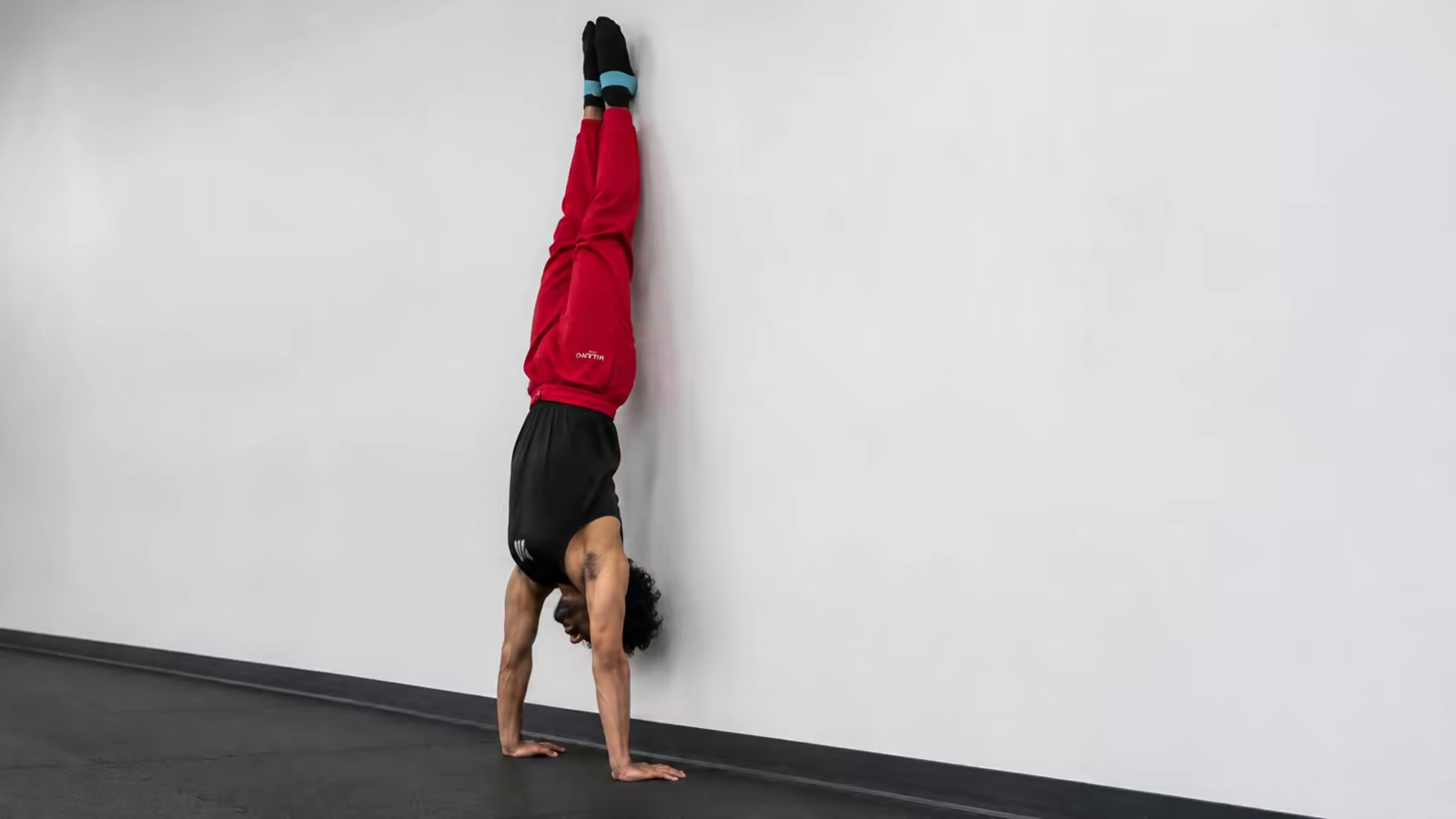
Flip yourself upside down for the first time and something strange happens: your body has no idea where it is. Your hips feel like they're vertical when they're actually 30 degrees off. Your legs feel straight but they're bent at the knee. Your lower back is arched and you can't feel it.
This is called proprioceptive inversion — the loss of your body's positional awareness when the vestibular system gets flipped. In plain terms: your internal GPS stops working reliably when you're upside down. You're flying blind.
Most people don't have a strength problem. They have a body-map problem. They can't feel where their body is in space.
This is why video feedback is so powerful for handstand training. Watching yourself on a wall handstand for the first time is often genuinely shocking — you were completely wrong about your alignment. That disconnect between what you feel and what's real is the thing you're actually training to close.
Hollow Body: The Shape That Changes Everything
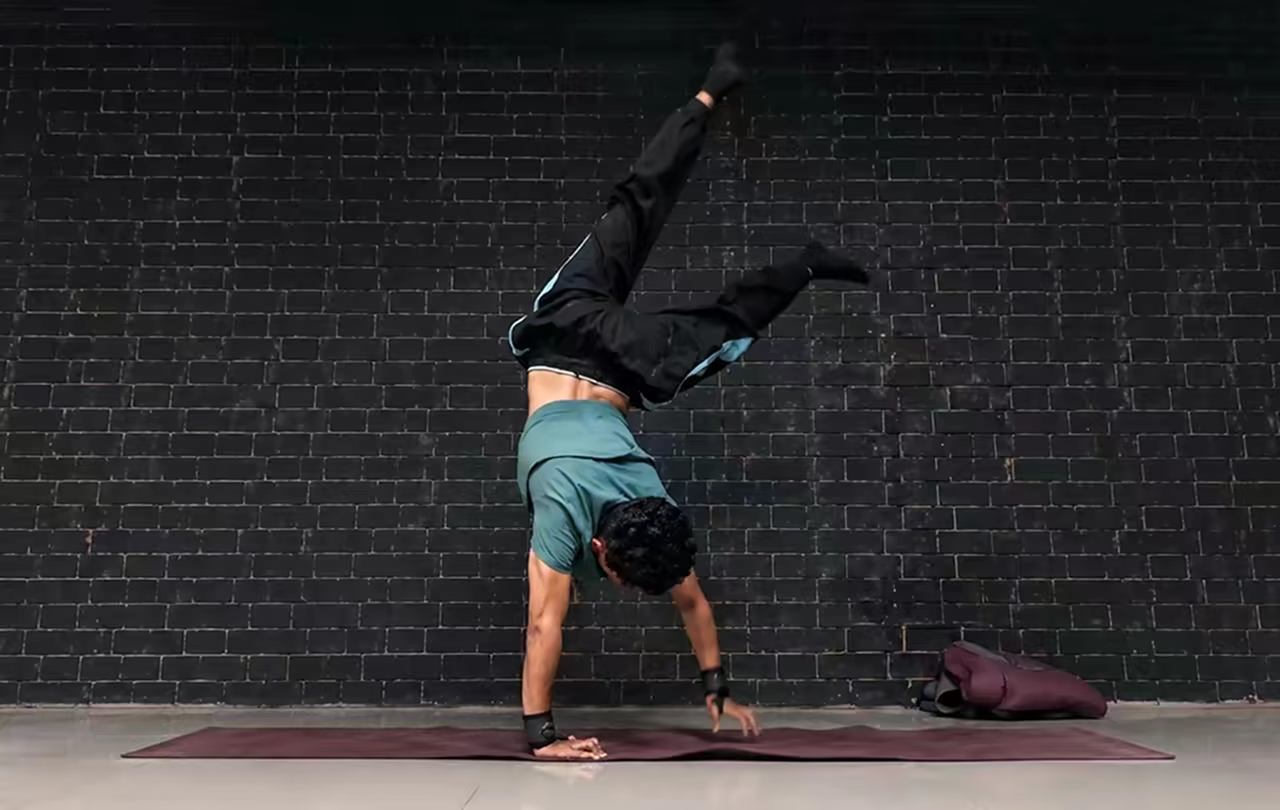
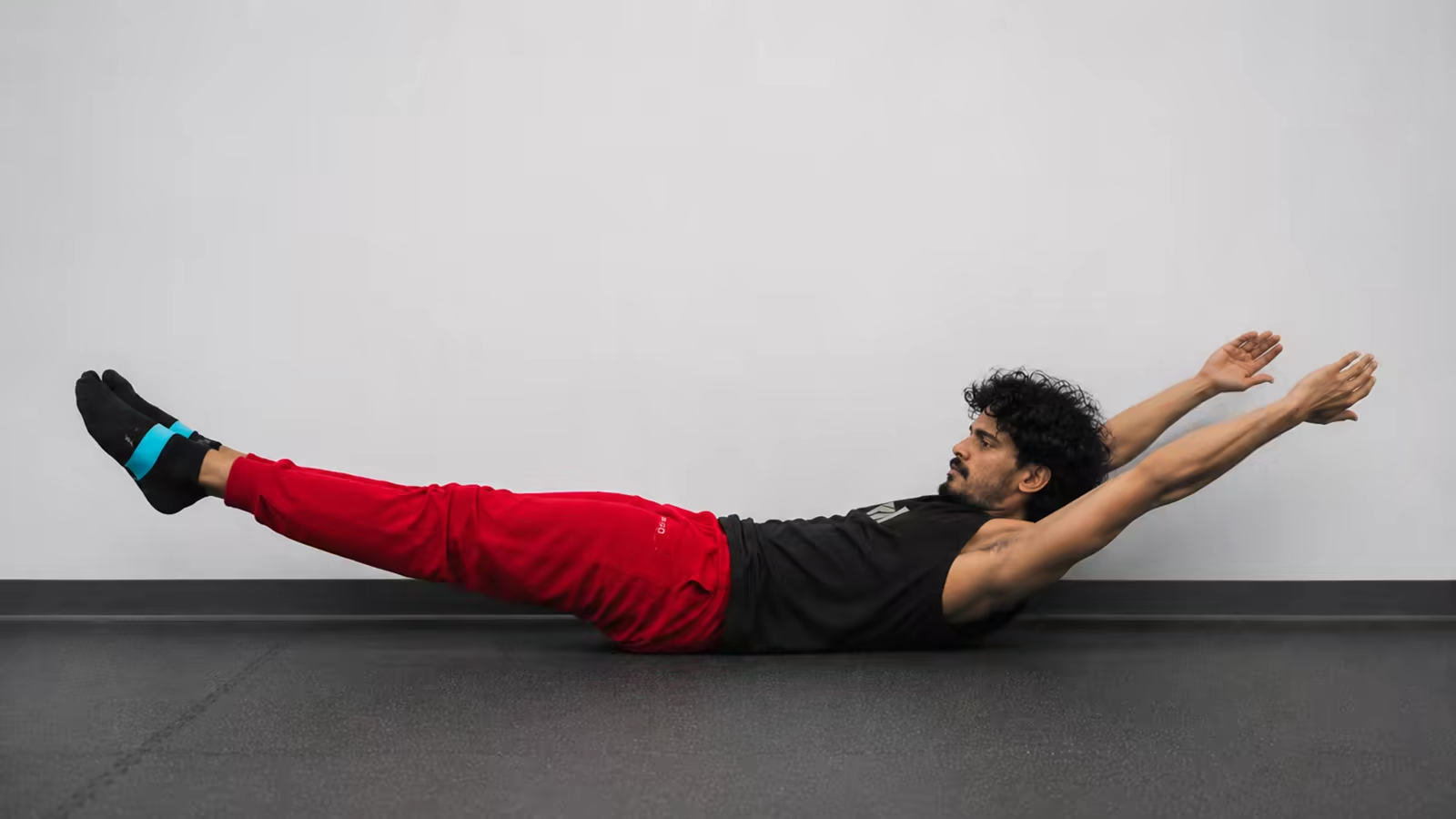
Before you can hold a handstand, you need to own a shape called hollow body. It's a full-body tension pattern — posterior pelvic tilt, ribcage down, core braced, glutes squeezed — that turns your body into a single rigid unit instead of a floppy collection of joints.
Most people skip this. They try to brute-force the handstand before their body can even produce the shape on the ground, let alone inverted. The result is a banana handstand — pretty, but uncontrollable, and completely untransferrable to freestanding work.
Train the shape on the ground first. The floor is the cheapest teacher available.
Hollow body holds, hollow rocks, and arch body contrast drills — these are the unglamorous prerequisites. They're not impressive to post online. But athletes who own this shape make handstand progress at a different speed than those who don't.
Wrist Preparation Is Not Optional
Walk into any beginner handstand session and watch people skip the wrist warm-up. Five minutes later, someone's clutching their wrist and calling it a day. Wrists are small joints carrying enormous loads in inverted positions they've never experienced before. They need progressive loading, not surprise attacks.
Wrist circles, prayer stretches, reverse wrist extensions, and fingertip loading drills aren't just pre-workout rituals. They're conditioning work that determines how long you can train handstands before pain stops the session. If your wrists tap out at five minutes, your nervous system never gets the volume it needs to adapt.
You can't build a skill on a foundation that hurts every time you use it.
The Role of Shoulder Strength — Used Correctly
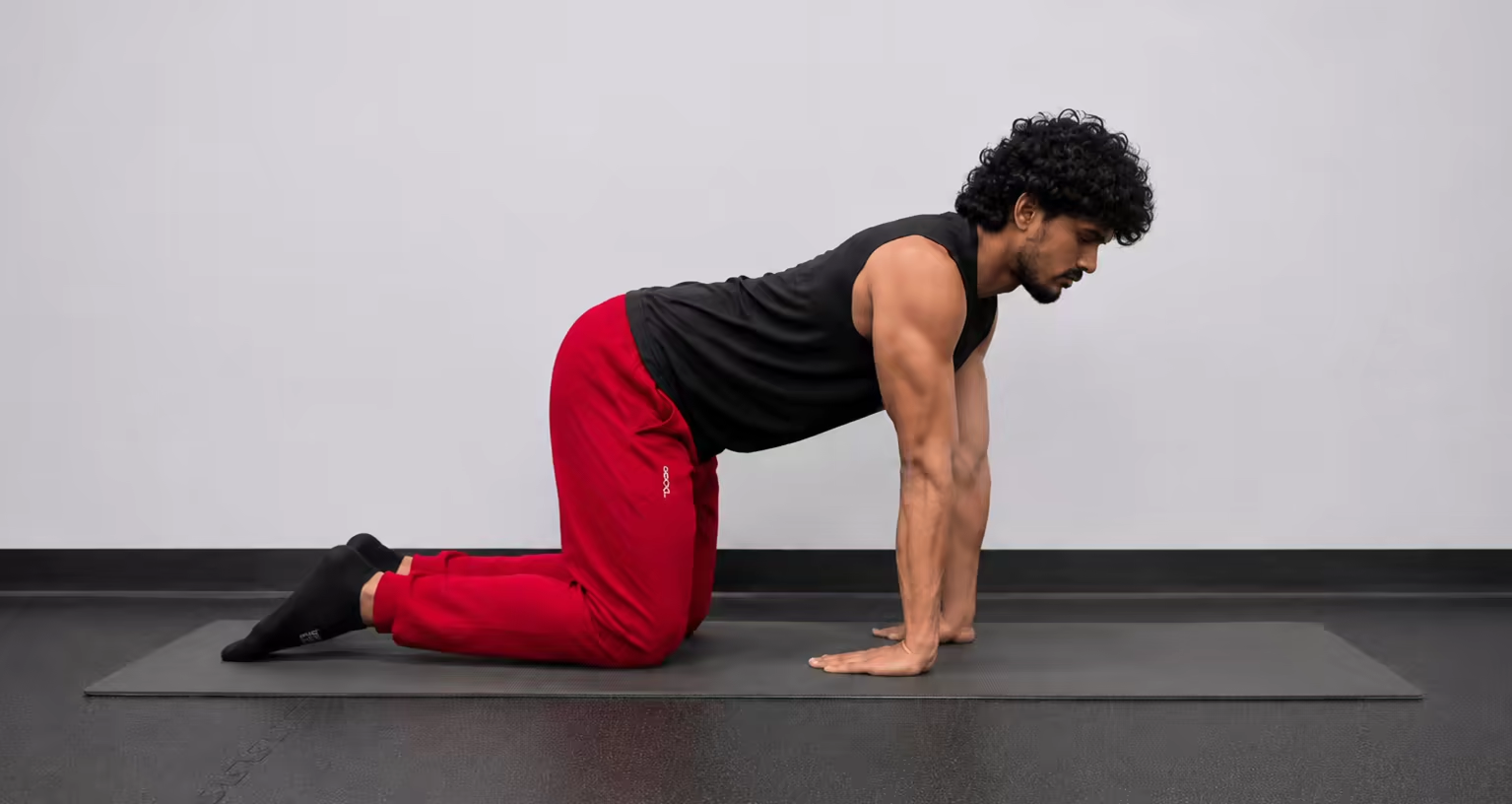
Strength does matter — just not in the way most people think. You don't need a huge overhead press. You need shoulder elevation and depression control, scapular protraction, and the ability to actively push the ground away throughout the entire hold. That last part is called shoulder shrugging or active elevation, and it's often the missing piece for people who can get into a handstand but can't hold it.
The fix isn't more pressing. It's targeted scapular work — wall shrugs, scapular push-ups, and overhead band drills that teach your shoulders to stay locked and active when loaded overhead. This kind of targeted work doesn't feel like training. But it closes the gap.
Active shoulders aren't stronger shoulders. They're smarter shoulders.
How Progression Actually Works Here
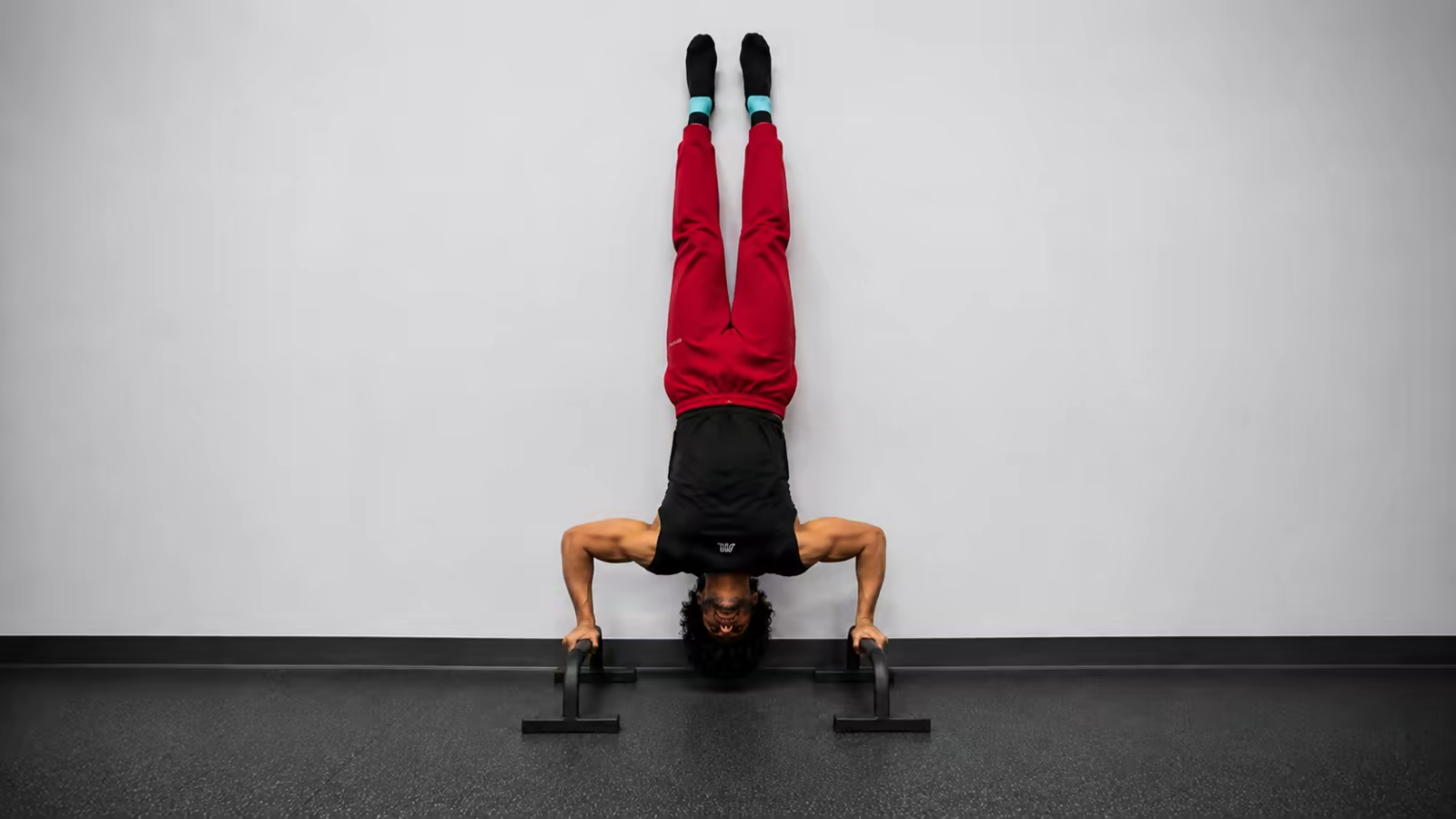
The handstand isn't one skill. It's a cluster of sub-skills that need to be trained in the right order. Hollow body tension. Wrist conditioning. Shoulder activation. Inversion comfort. Wall handstand holds. Chest-to-wall to back-to-wall transition. Fingertip balancing. Then — finally — freestanding attempts.
Skip any step and you'll feel it. Not immediately, but two weeks later when progress plateaus for no visible reason. The steps aren't bureaucracy — they're load-bearing walls.
This is the kind of structured approach that CaliStack is built around. Instead of throwing you into freestanding handstand attempts on day one, it maps the prerequisites, flags what you haven't trained, and shows you exactly what to work on next. The skill tree approach removes the guesswork that burns most beginners out before they ever get close.
Progression isn't a philosophy. It's a sequence. Get the sequence right and the handstand becomes inevitable.
What to Actually Do Starting Today
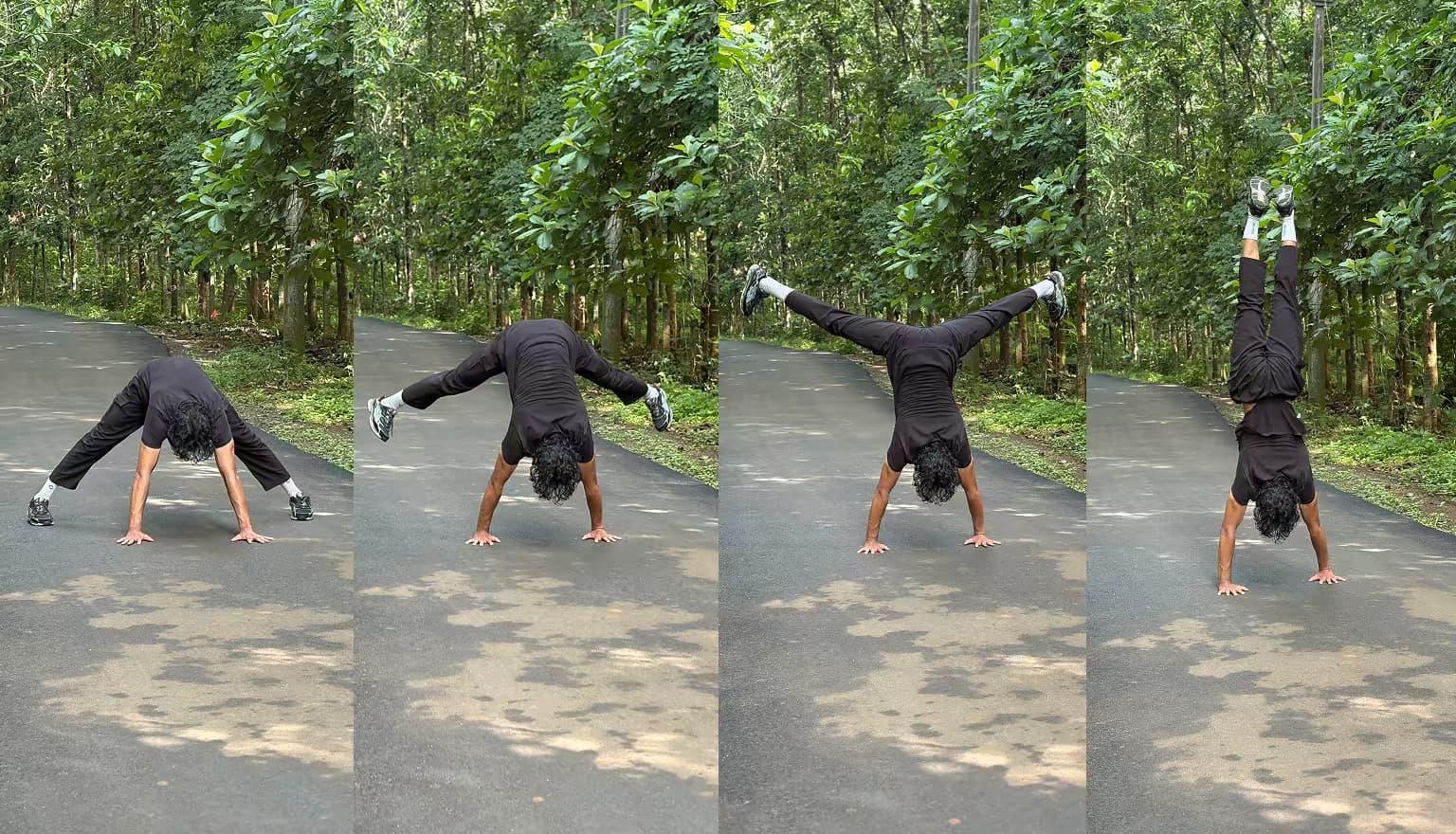
Stop adding pressing volume hoping the handstand appears. Instead, build a dedicated practice that looks something like this: five minutes of wrist prep, five minutes of hollow body holds, ten minutes of wall handstand work with active shoulder shrugs, and — if you're further along — freestanding kick-up attempts in sets of focused tries, not exhausted desperation.
Keep sessions short but consistent. Three to four times a week beats one brutal weekend session every time. The nervous system adapts through frequency, not suffering.
Short and consistent will always beat long and sporadic. Your nervous system doesn't respond to effort — it responds to repetition.
Progress in the handstand is quiet at first. Weeks of falling before one second of balance. Then two. Then five. Then you stop counting because it starts to feel like something you just... do. That's what skill acquisition feels like. It's not linear and it's not fast. But it's real — and it belongs to you in a way that borrowed strength never does.
Train smarter. Progress faster.

