Why Beginners Need Structure, Not More Calisthenics Workouts
Build a repeatable calisthenics workout plan for beginners with scalable exercises, recovery days, a simple training log, and clear progression decisions.
You can finish a calisthenics workout and still have no idea what to do next time. Should you repeat it, add repetitions, try a harder push-up, or give your shoulders another day off? Saving another routine doesn't answer those questions. A useful calisthenics workout plan for beginners makes those decisions easier. It gives you a small set of exercises you can scale, room to recover, and a way to compare sessions. You don't need a different workout every day to build that system.
Variety can keep training enjoyable. Circuits and conditioning can also belong in your week. The difficulty comes when you keep changing exercises, rest periods, and effort together, then try to judge whether you're getting stronger. Keep enough of your strength practice consistent to make the comparison useful.
What a simple plan needs to tell you
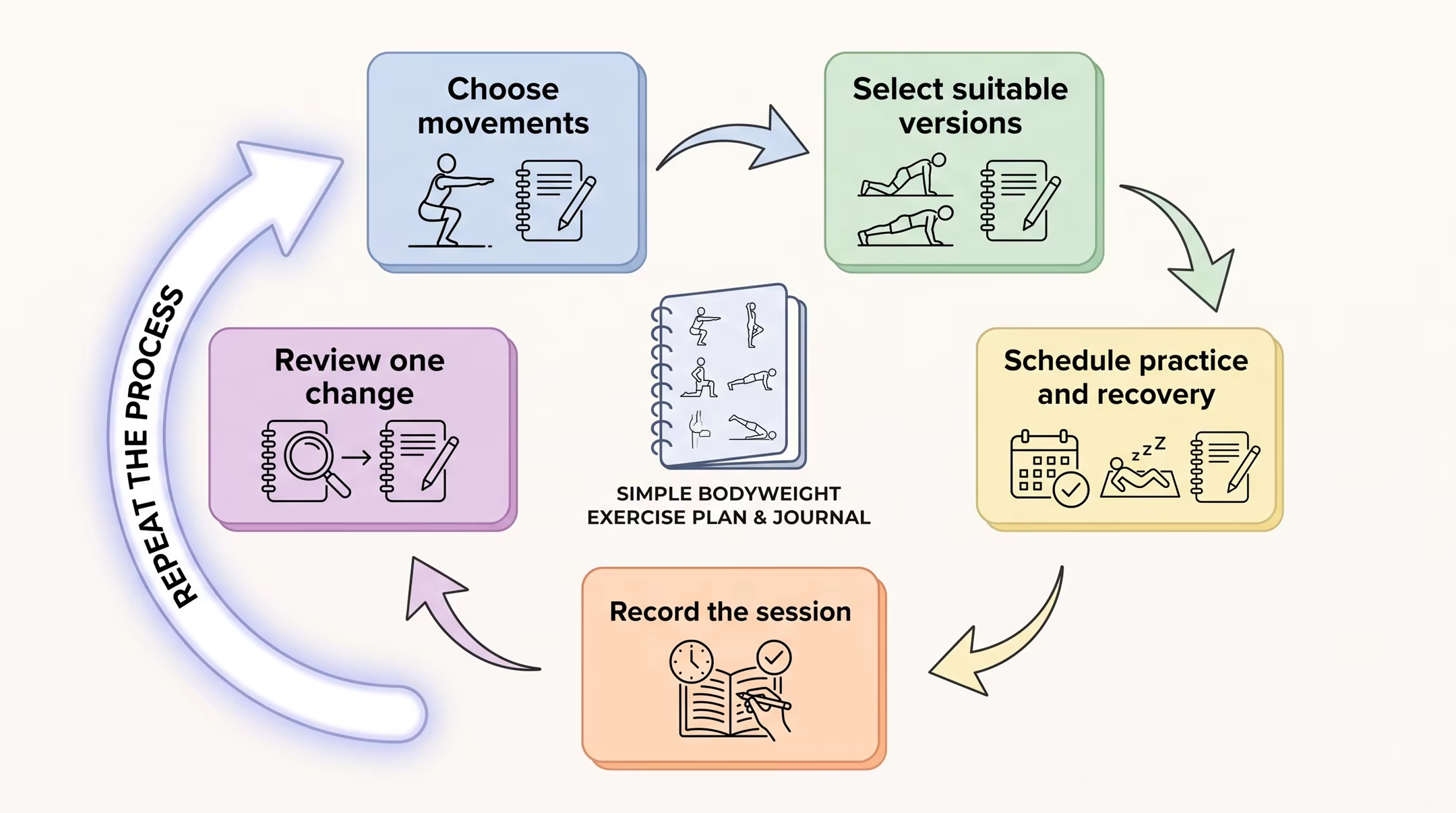
Before a session, you should know which movements you'll practice, which versions suit you, and roughly how much work you'll do. Afterward, you should know what happened and what to try next. That's enough structure to start. The American College of Sports Medicine's 2026 resistance-training guidance emphasizes regular participation, individual needs, and working the major muscle groups at least twice weekly for healthy adults. Complicated programming and taking every set to failure aren't universal requirements.
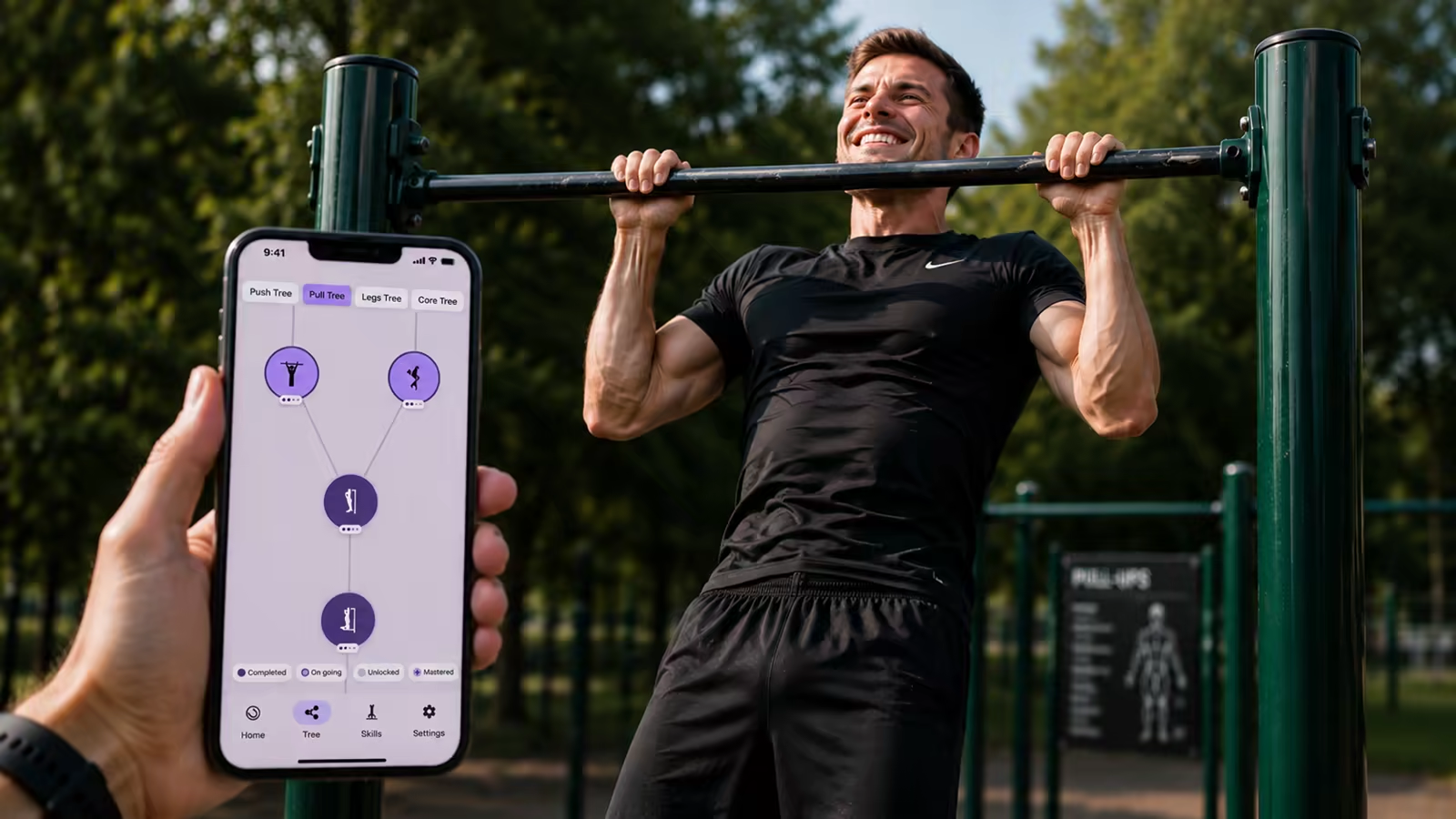
Build your beginner calisthenics routine around your available days and equipment. Pick exercise versions you can control rather than ones that look impressive. CaliStack's progression-centered approach is relevant here: choose a starting level and work toward an appropriate next step. That doesn't mean every exercise must lead to an advanced skill.
Choose scalable pushing, pulling, legs, and trunk work
For a manageable starting template, choose one pushing exercise, one pulling exercise, a squat pattern, a hip-focused exercise, and trunk work. These are editorial exercise choices, not a complete prescription for every body or goal. Bodyweight resistance can be adjusted to your current ability.
For pushing, try a wall push-up or an incline push-up against a fixed exercise rail or secure built-in counter. Use a support that won't slide or tip. Keep your torso moving as a unit, lower under control, and press back without letting your hips sag. A higher incline generally makes the exercise easier.
For pulling, a bodyweight row needs a secure bar or a purpose-built suspension system installed and rated for the exercise. Start with your feet planted and a relatively upright body angle; move smoothly without swinging. Don't hang beneath an unverified table or improvise an anchor from a door. If you have no safe pulling setup, arrange access to suitable equipment or ask a trainer about alternatives. You can begin the other movements meanwhile, but extra push-ups don't replace pulling work.
For legs, use a squat through a comfortable, controlled range. Light support from a secure rail can help with balance. Keep your feet planted and avoid forcing extra depth. Add a glute bridge for hip-focused work: lie on your back with knees bent, lift your hips under control, and avoid arching your lower back to lift higher.
For trunk work, a short-range dead bug is an option. Lie on your back with your hips and knees bent, then lower one heel toward the floor while keeping your torso steady and breathing normally. Shorten the movement if you lose control. Start each unfamiliar exercise with an easy practice set, not a maximum-effort test.
An illustrative two-day beginner week
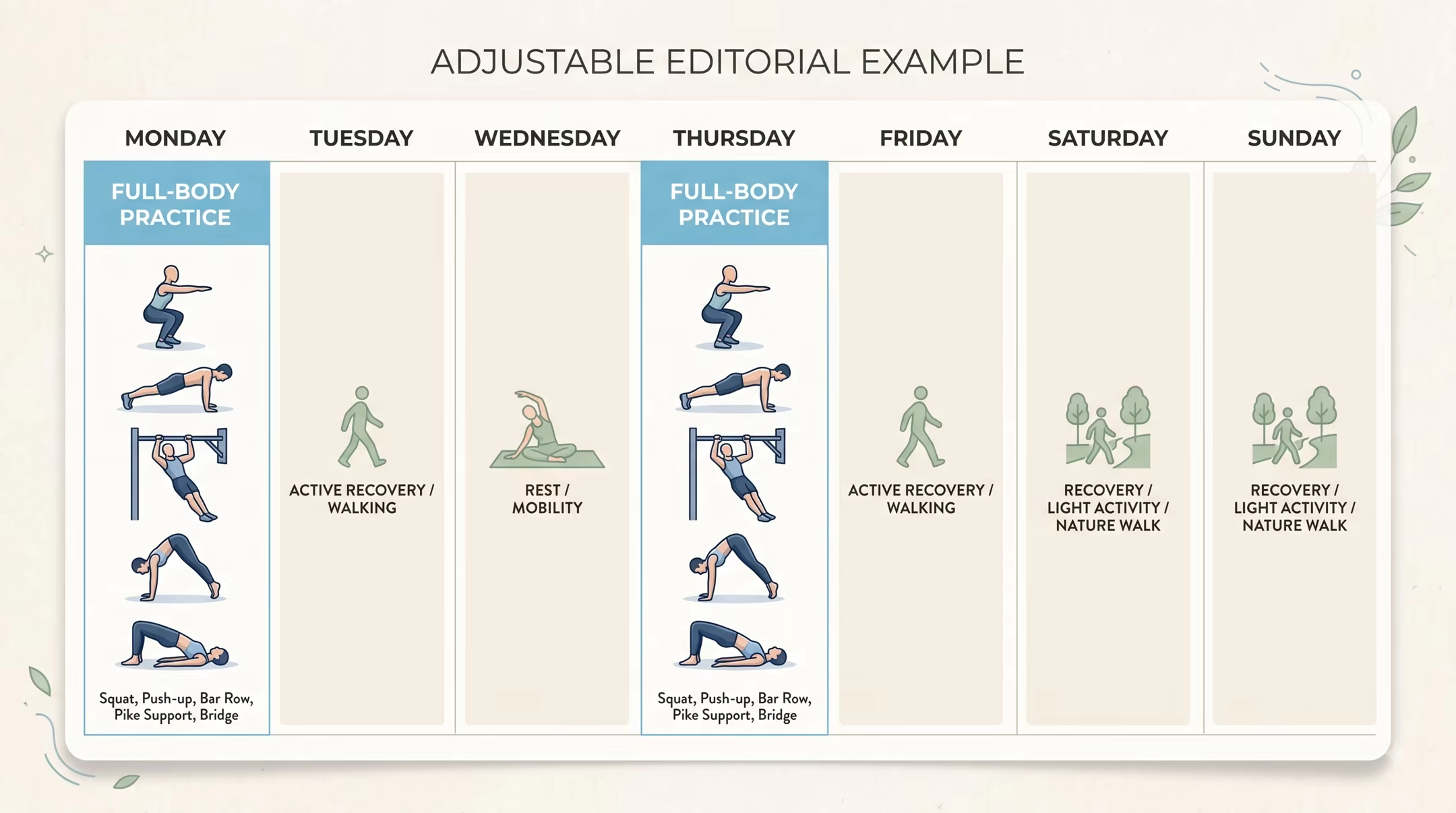
Monday and Thursday are one possible pair of nonconsecutive training days. Repeat the same exercise versions on both days initially. The schedule, ranges, and effort suggestions below are editorial starting examples for a generally healthy adult, not validated readiness tests or personalized medical advice. Adjust them to your capacity.
On Monday, begin with a few minutes of easy movement and easier practice versions of your exercises. Try two sets each of pushing and rowing for five to ten controlled repetitions. Try two sets each of squats and glute bridges for eight to twelve repetitions. Finish with two sets of four to six dead bug heel lowers per side. Choose versions that let you stop with roughly two or three more controlled repetitions available. Estimating that reserve takes practice; stop sooner if your movement starts to deteriorate.
Rest between sets until you're ready to repeat the movement with control. Around ninety seconds to three minutes is an illustrative range; take longer when needed. Complete one exercise's sets before moving on if that makes the session easier to follow. On Thursday, repeat Monday's setup. Use the lower end of the ranges, or one set instead of two, if the initial amount was too much. Leave at least a day between strength sessions, and allow more recovery when needed. Other days can include walking or suitable aerobic activity.
Record enough detail to compare sessions
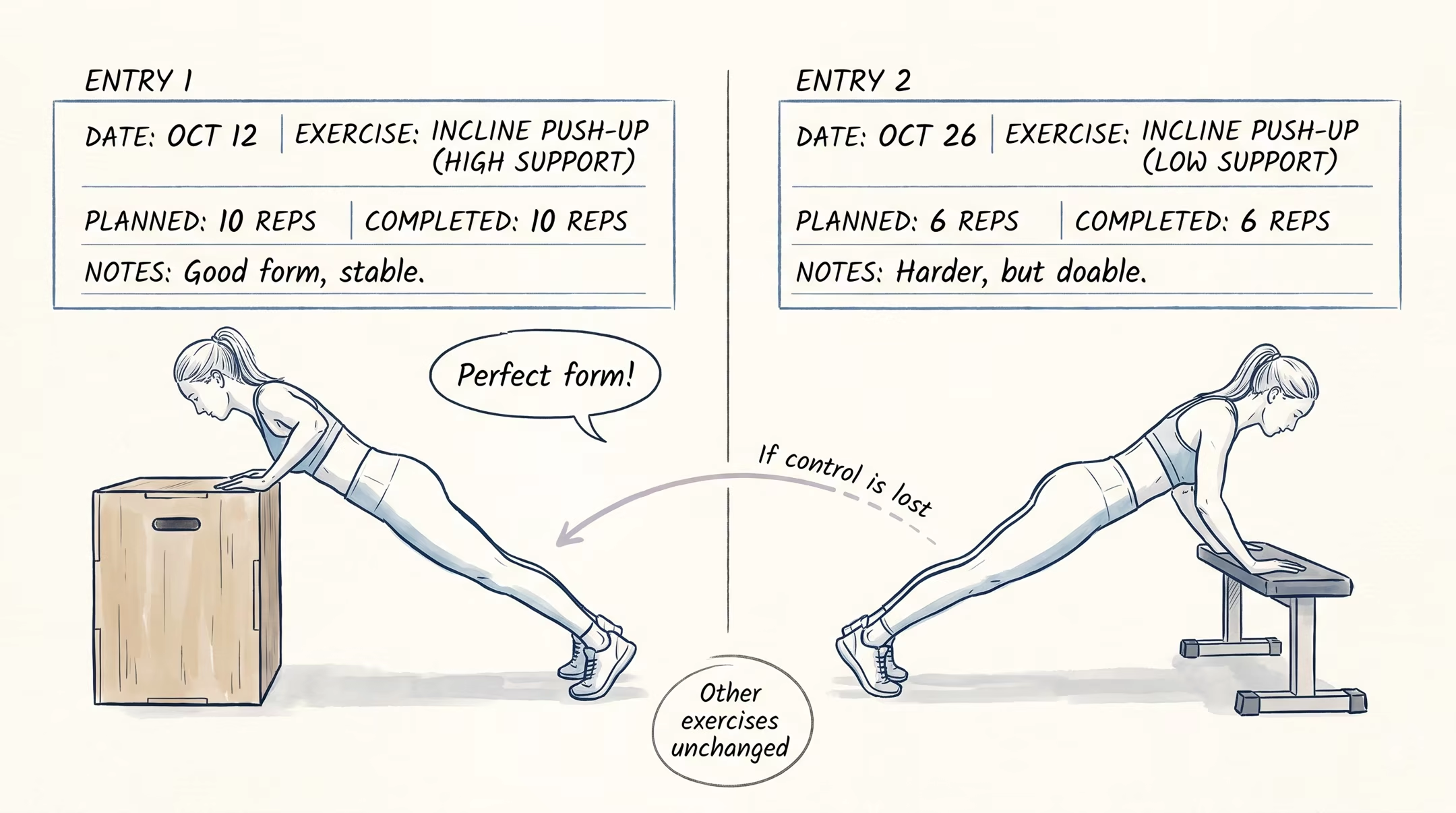
A repetition count alone can hide a changed exercise. Ten push-ups against a high counter aren't the same task as ten against a lower rail. Record the variation and setup alongside your sets and repetitions. For rows, note bar height and foot position; for squats, note support and depth. Also record approximate rest, effort, and comfort. Plain descriptions work: easy, challenging with a few repetitions left, or stopped because control slipped. Note pain or unusual discomfort rather than burying it beneath a successful repetition count.
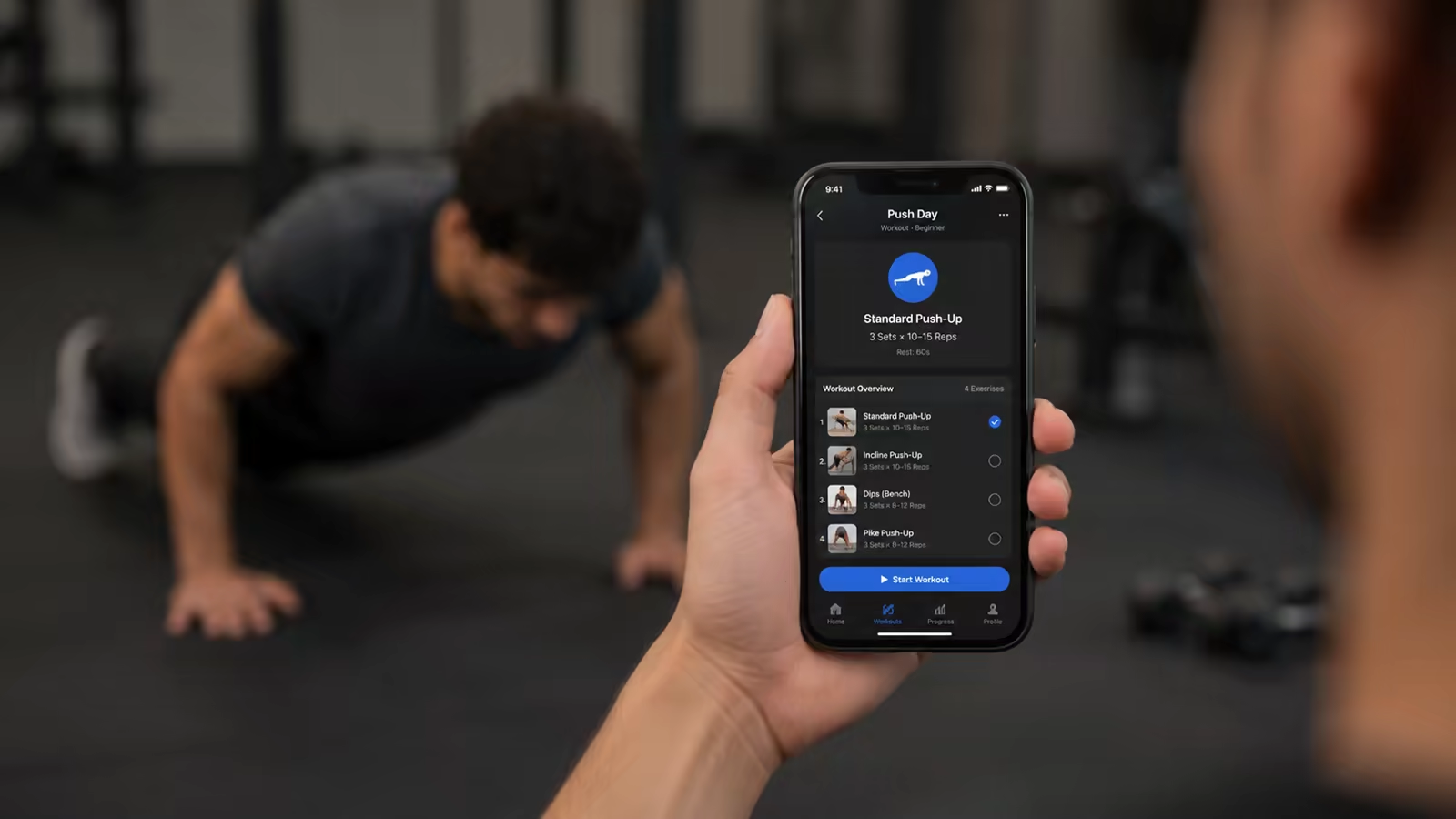
An example entry could read: incline push-up, fixed high rail, same foot position, two sets of eight, about two minutes' rest, a few repetitions left, no pain. This is an illustrative record, not a result from a real trainee. If Thursday brings the same repetitions with steadier movement or less effort, that's useful information even before you add anything. A rushed set with shorter movements is a different comparison.
“The setup belongs in your training log because it changes what the repetition count means.”
Progress by changing one variable
Progressive overload means gradually increasing the training demand as your capacity improves. In calisthenics, that can mean more repetitions, a harder body position, less assistance, or additional work. You don't have to change all of them together. As an editorial decision rule, consider a small increase after two comparable sessions at the top of your chosen range, with controlled movement, some effort left, and no pain during training or concerning symptoms afterward. These conditions guide a decision; they don't guarantee readiness.
If your push-ups reach the top of the range comfortably, try a slightly lower secure support next time. Return to the lower end of the repetition range while learning that version. Keep your other exercises unchanged. If the harder version makes you lose control immediately, return to the previous one. You can continue improving there or find a smaller step with a trainer. Adding another workout is only one possible adjustment, and often a less convenient one.
Adapt after missed days, pain, or a plateau
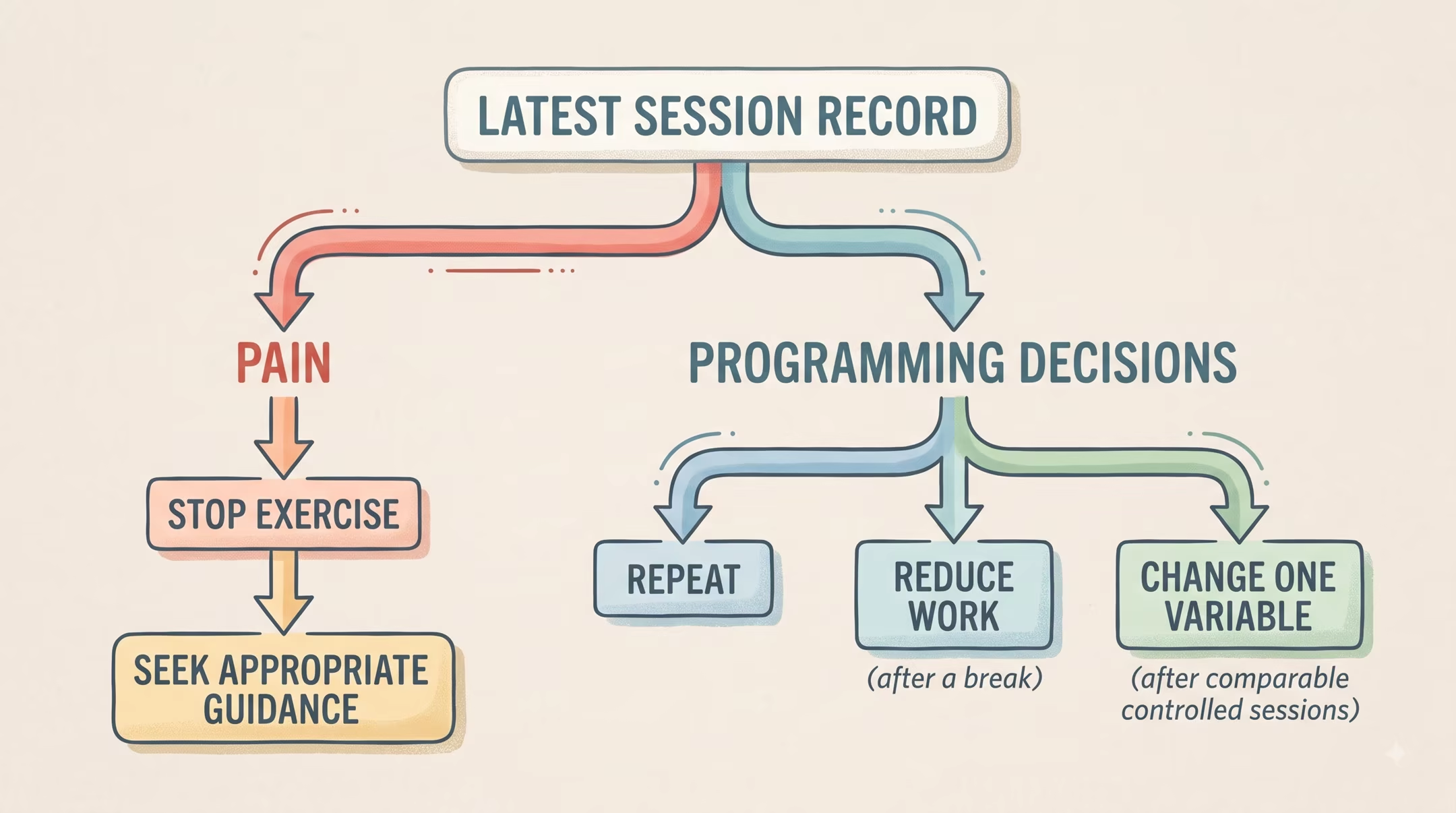
If you miss Monday, move the session to Tuesday and leave a recovery day before the next strength session. If that isn't possible, do one session that week and resume your usual schedule afterward. Don't double the sets to repay a missed workout. After a longer break, illness, or unusually tiring week, restart with easier versions or less work and judge how you respond before restoring the previous amount. A repeatable plan needs a reduced version for weeks when your usual session won't fit.
If comparable sessions stall, check the record before replacing the routine. Did rest get shorter? Did the support height change? Have you been recovering poorly or regularly missing sessions? Fix the identifiable issue first. If training feels manageable but progress remains flat over several sessions, try one modest adjustment, such as adding a repetition to one set. If effort is already very high, try less work or more recovery instead. Seek coaching when you can't identify a useful next step.
Beginner Calisthenics Plan FAQs
Do beginners need to train every day?
Daily strength workouts aren't necessary to use this starting template. Two nonconsecutive sessions give you a manageable schedule to repeat and assess. Adjust frequency to your recovery, goals, and circumstances rather than treating more days as automatic progress. Walking and other suitable activity can fit between strength sessions.
Can I build a balanced routine without equipment?
Many pushing, leg, and trunk exercises need little equipment. Scalable pulling usually requires a secure bar, properly installed suspension equipment, or another suitable resistance option. Don't turn furniture into an unverified training anchor. Plan for safe pulling access instead of calling a push-up-only routine balanced.
Can I keep a circuit workout I enjoy?
Yes. A circuit can itself be structured if you keep its exercises, difficulty, and rest reasonably consistent. Allow enough recovery to maintain control. If strength is your priority and a fast circuit makes comparisons difficult, use separate strength sets and keep conditioning as another part of the week.
When should I change my beginner routine?
Change an exercise when its difficulty no longer suits you, your equipment or goals change, or you need guidance for discomfort. You can usually progress one movement without replacing the whole routine. For your next session, choose suitable versions, write down the setup, and leave yourself a clear decision to review afterward.
Want a clear plan for your next skill?
We built Calistack to show you the exact steps from where you are right now to your first handstand, muscle-up, or lever.